

Ean Cuthbert, a guest with Equitours on the March 2020 Grand Canyon ride in Arizona, put together this slide show of photos and video clips and graciously shared with us. Enjoy!
Join a Live Webinar with Equine Photographer Gabriele Boiselle
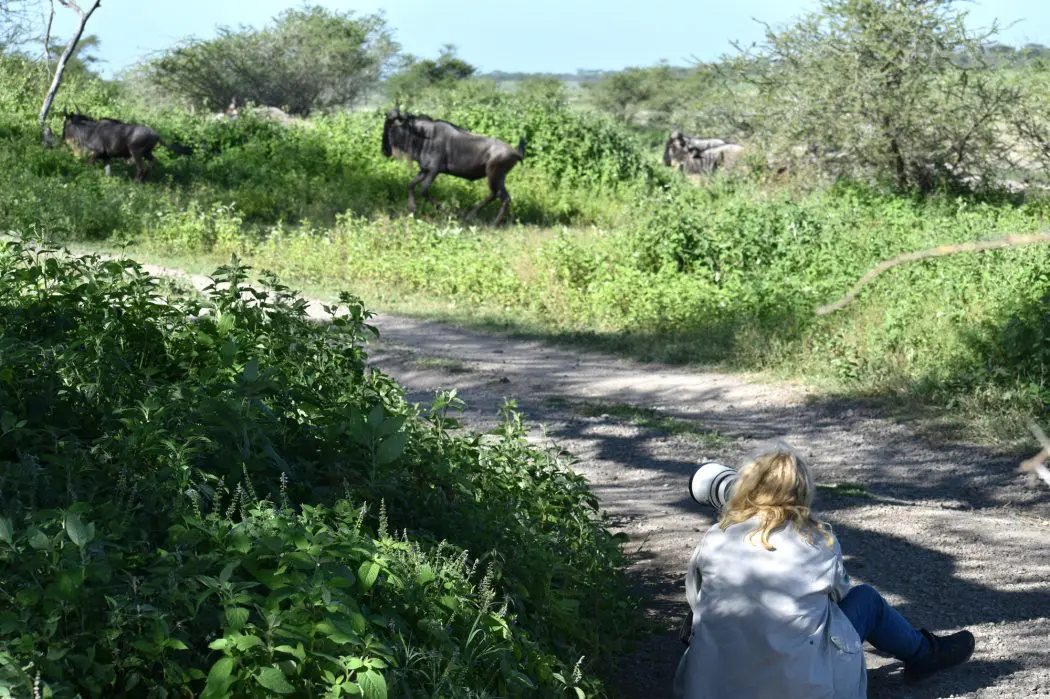
In February of 2020 equine photographer and friend of Equitours, Gabriele Boiselle, traveled with Mel Fox to Tanzania on the Serengeti Migration ride. She is hosting a live webinar on Thursday, April 16, 2020 to share her photos and experiences from the trip. Gabriele’s photography is always stunning, and the trip’s wildlife viewing was once of a lifetime, so this is sure to be a thrill!
Sign up for the free webinar on Gabriele’s website: https://mailchi.mp/
By Mel Fox
I grew up on a farm at the foot of Kilimanjaro, about 20 miles from where these horses are stabled, so returning to Tanzania is always a thrill. Of course it has changed enormously over the years, but the country is still about 50 years behind Kenya in development.
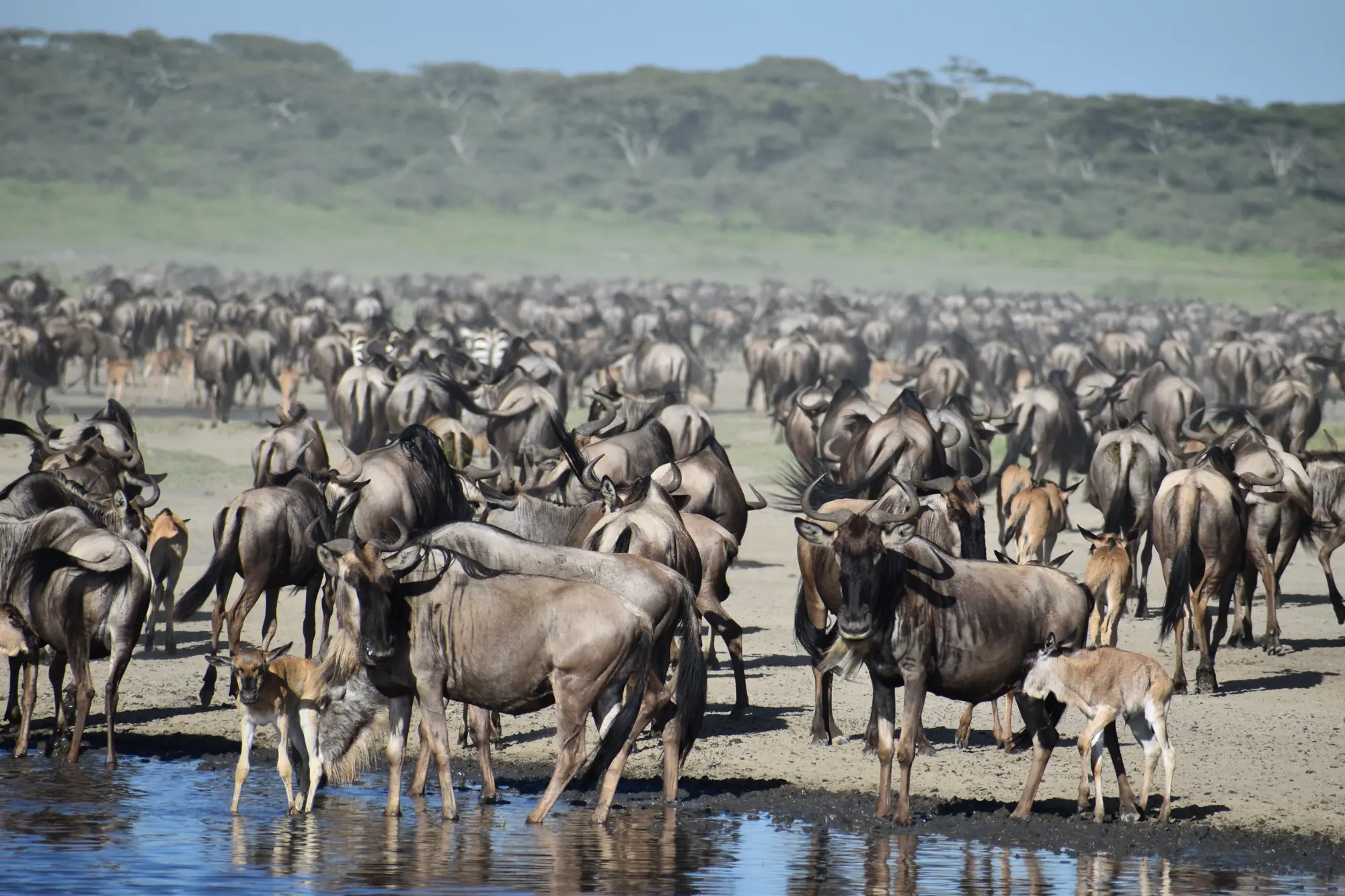
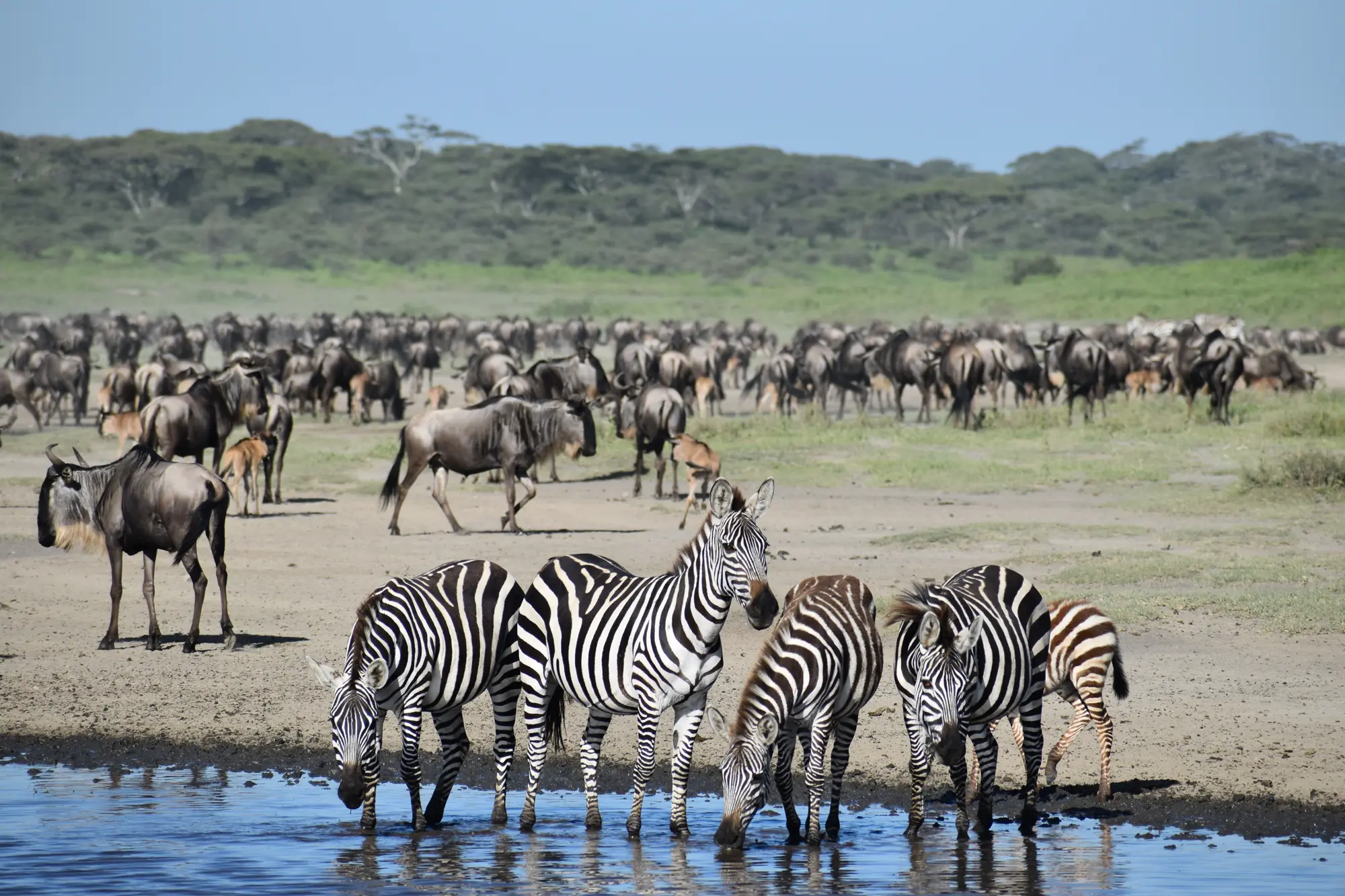
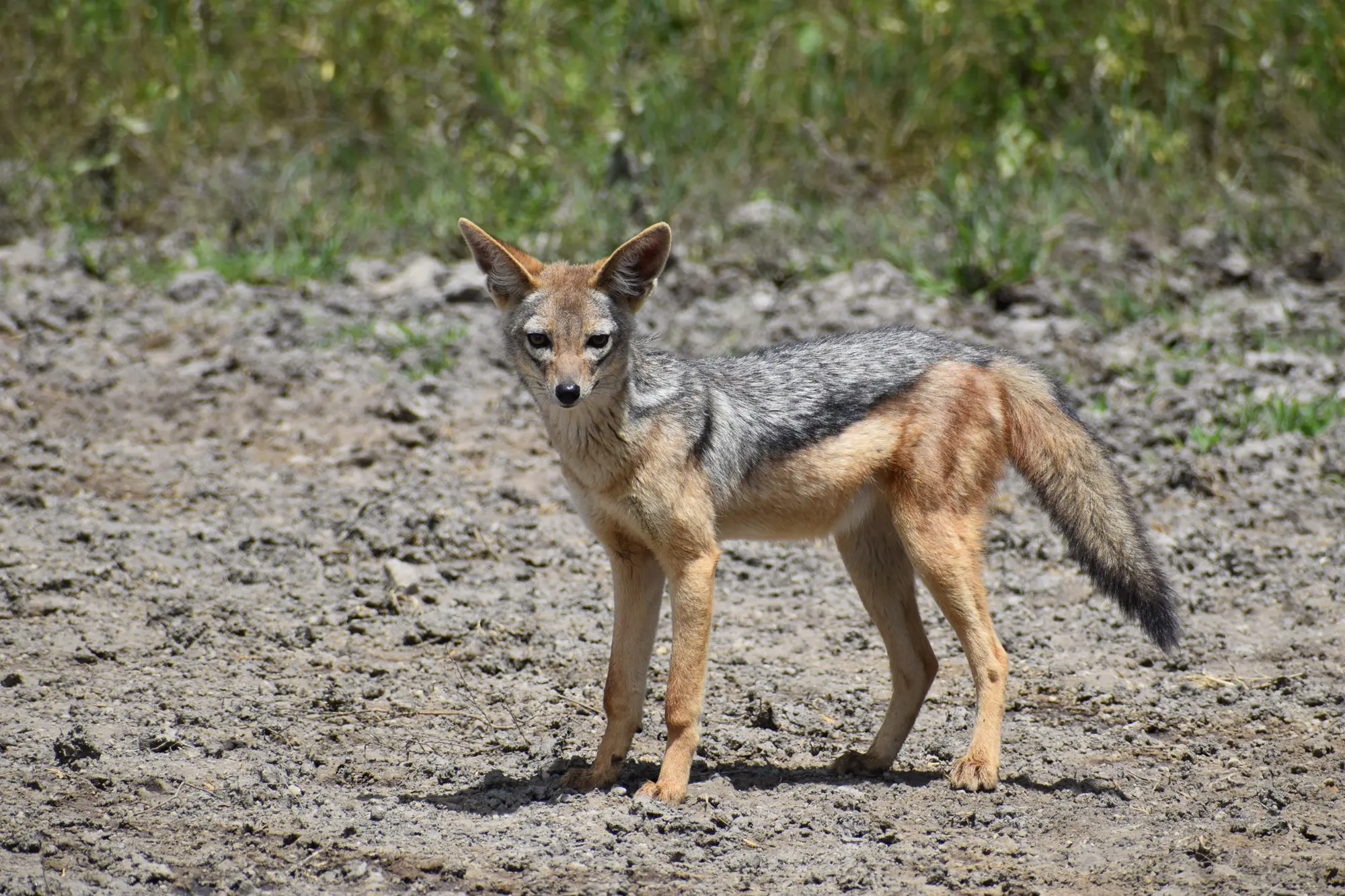
This year in the Serengeti was perhaps my favorite ride ever. Catching up with the famous wildebeest and zebra migration of 1.3 million animals is a hit and miss affair, because it is totally dependent on rainfall. The rains do sometimes fail and the vast herds become scattered, but usually they are gathered in the southern Serengeti at this time, where ancient volcanic activity has created mineral-rich soil. The wildebeest come here to drop their calves, which takes place over a period of 3 weeks. It is amazing to watch the newborns get up on unsteady legs and then canter off with their mothers within a matter of 2 minutes. The abundant source of easy prey draws predators such as lion, hyena, wild dogs and jackals, which makes for exciting game viewing.
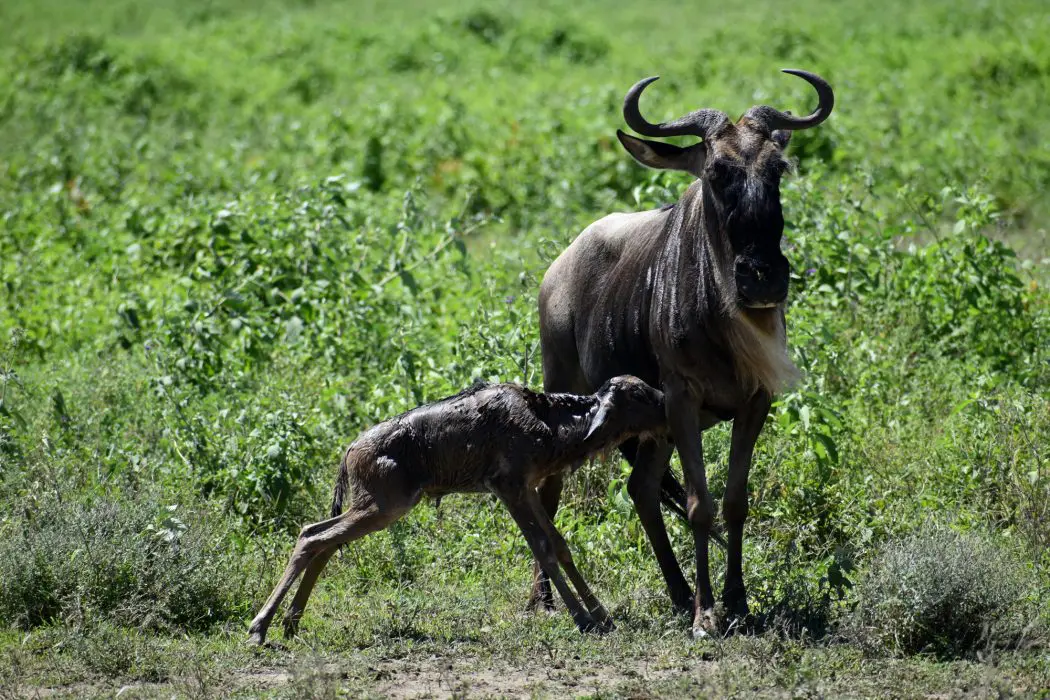
A wildebeest calf’s first steps
We flew in our private charter plan to Ndutu airstrip in the Ngorongoro Conservation Area and arrived at camp in time for lunch an and introductory afternoon ride. The first moving day we passed some of the migrating herds, but the highlight was a long canter with 70 giraffe. Our camp had been efficiently set up while we were riding and welcome hot showers were awaiting us. Wildebeest were calling all around, moving to the open plains for grazing during the day and retiring to thorn thicket country at night. A special experience from this camp was cantering with the wildebeest and then watching a herd of 200 eland cut single file in front of us; these huge animals are often quite elusive and it was a real treat to see so many together.
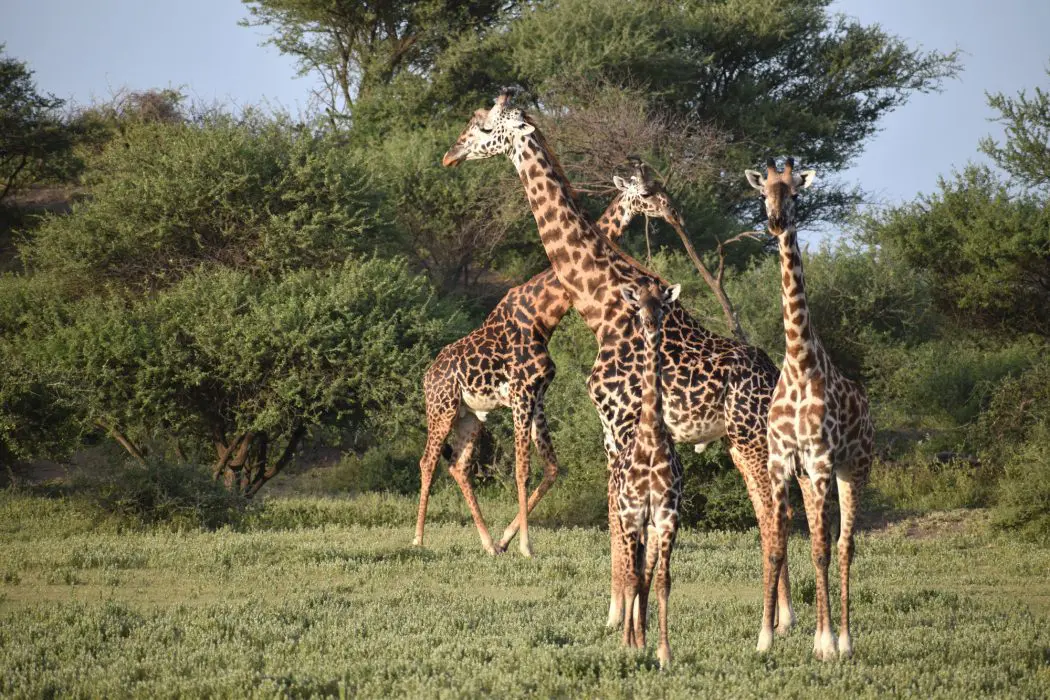
A group of giraffe
One night we set up a fly camp away from the horses in an area known for its dense population of predators – and we did have numerous lion sightings. The highlight for many was being able to see the stars through the roof of the lightweight tents – with hippo grazing among us!
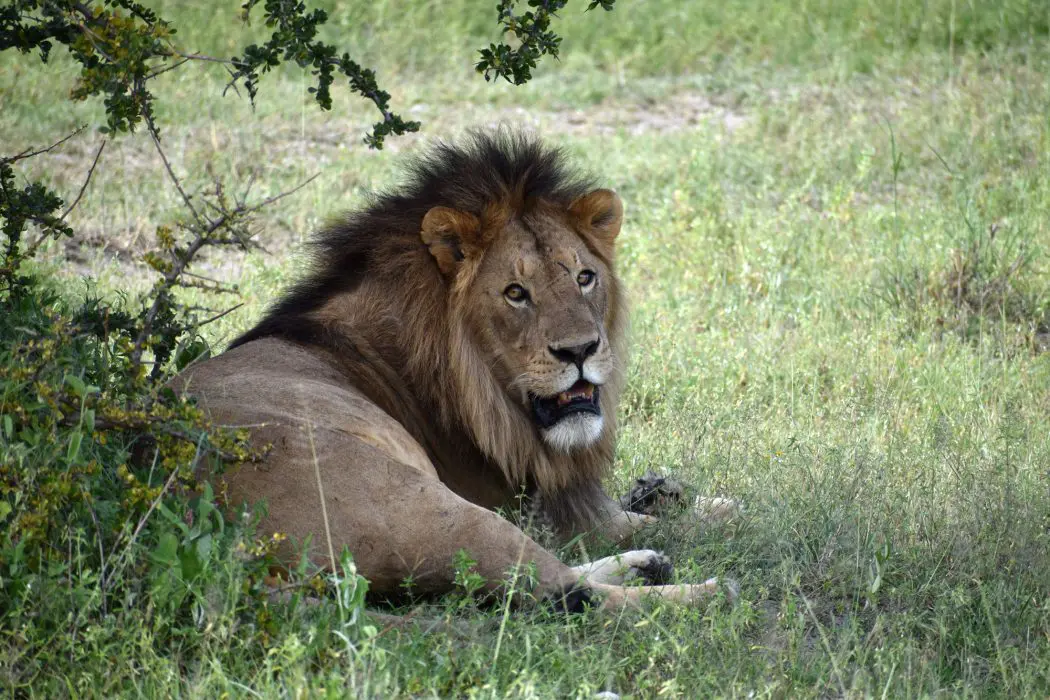
Lion at rest
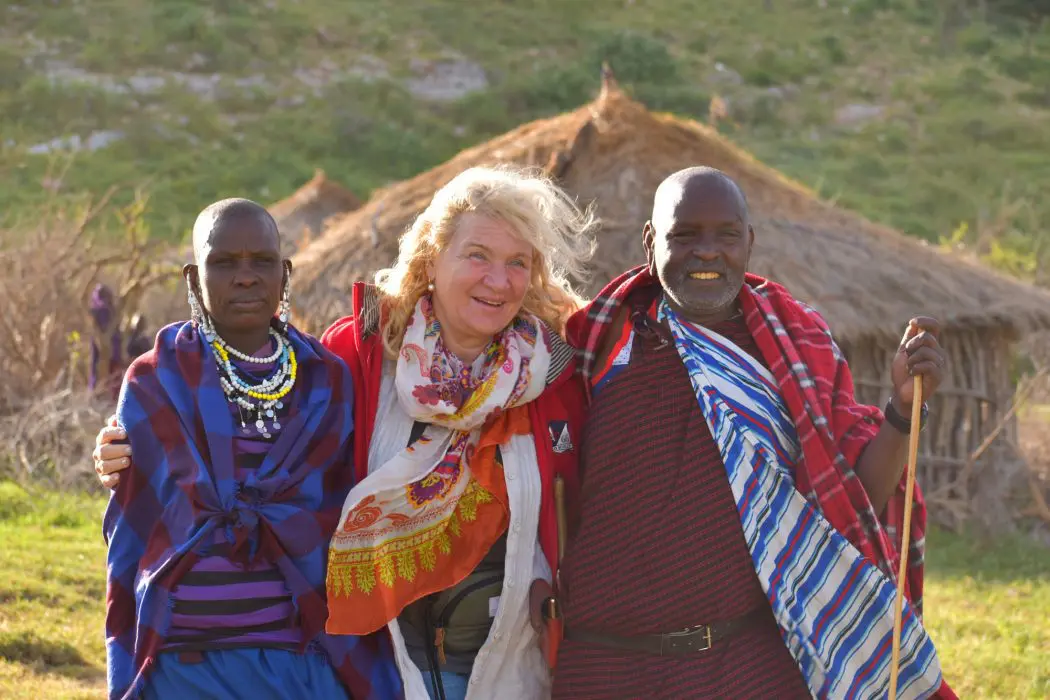
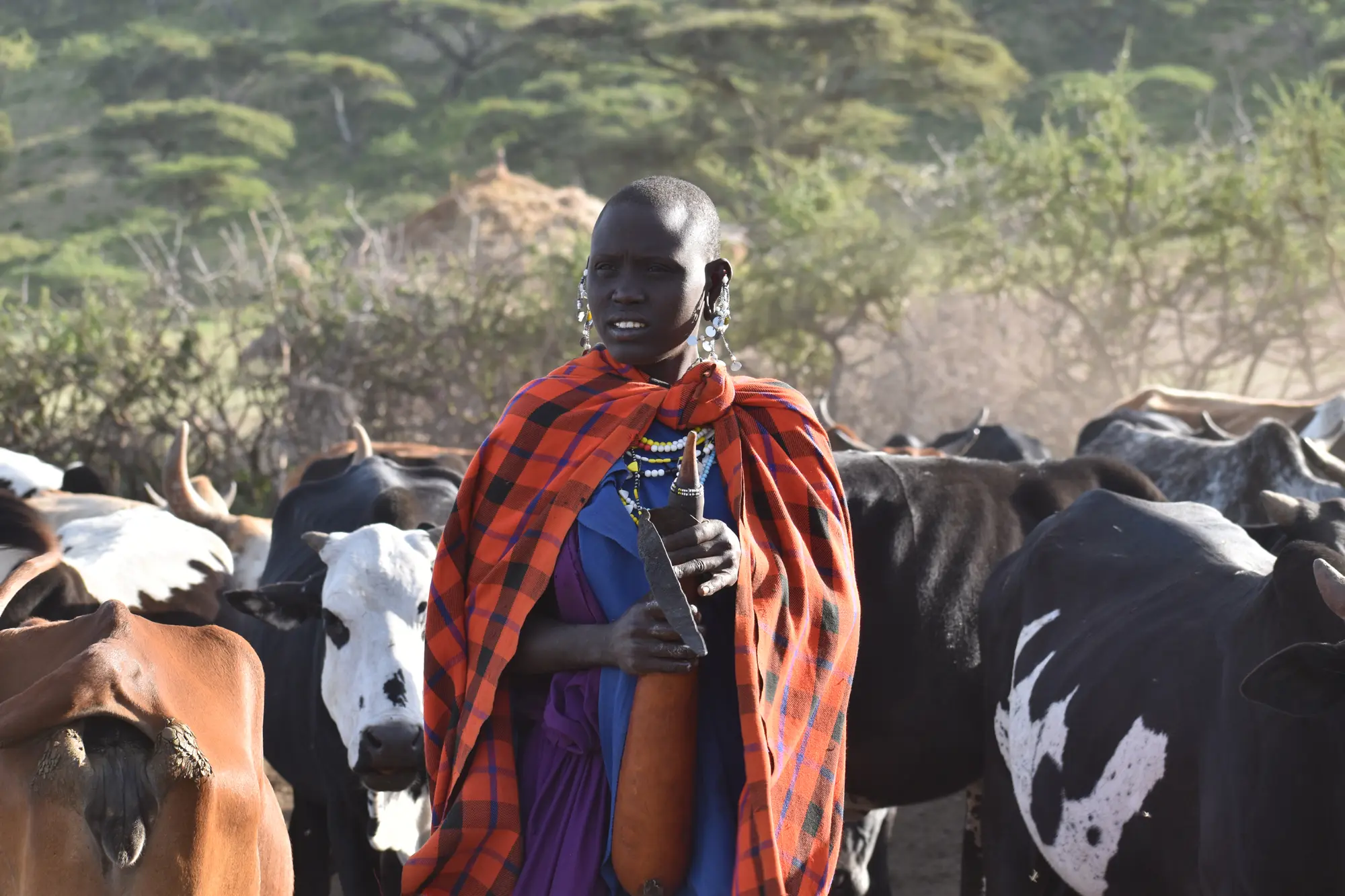
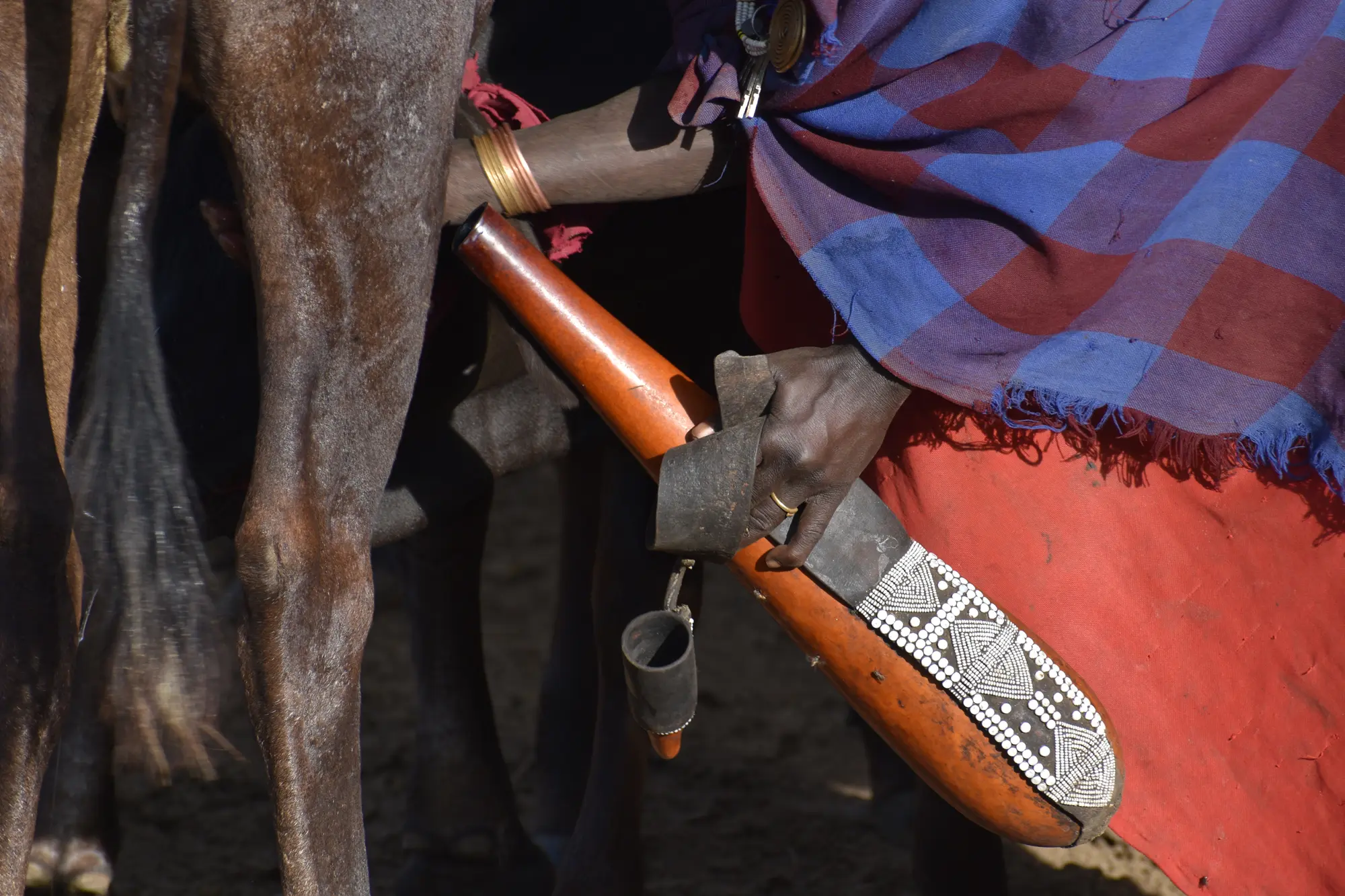
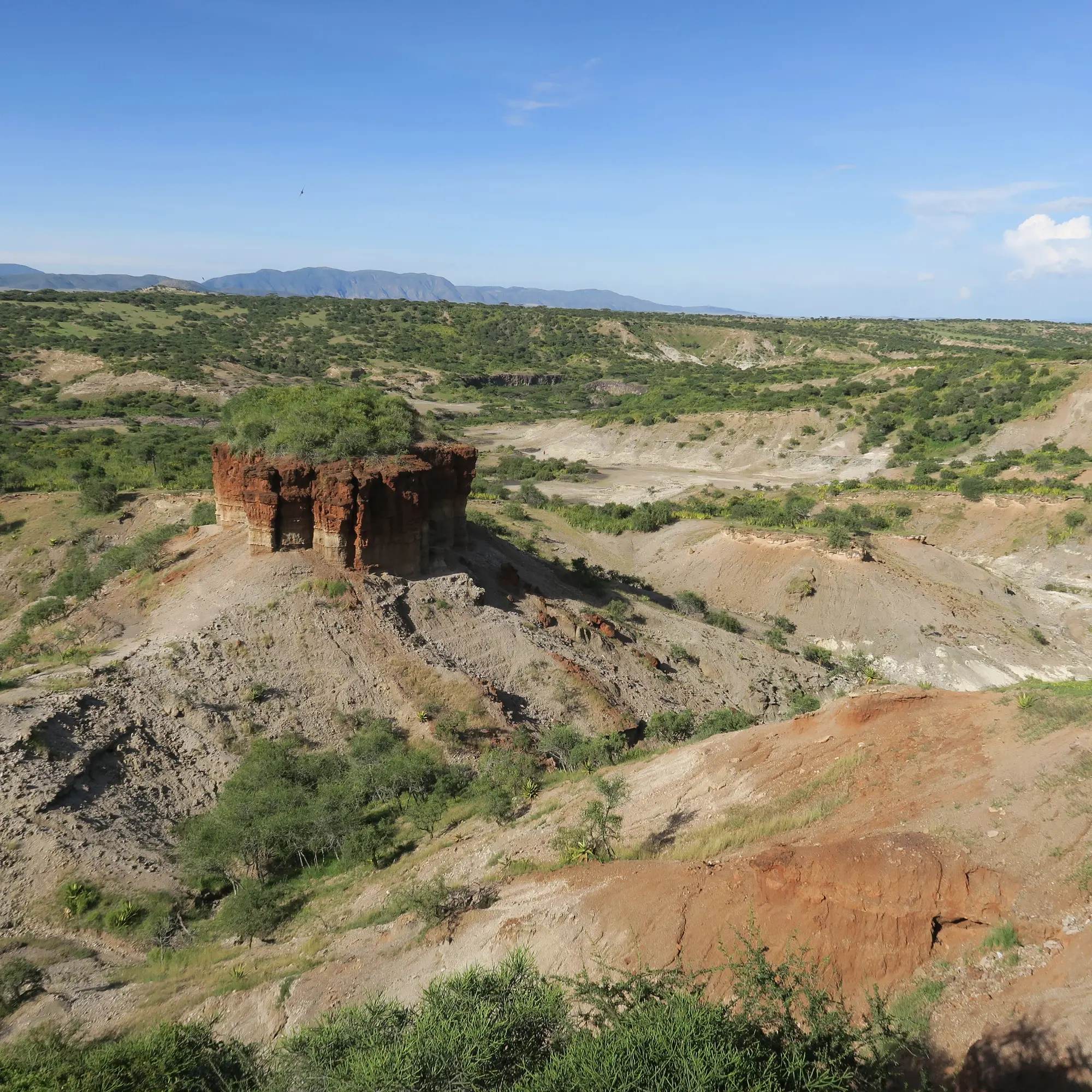
Our final camp was near a Masai boma and we set off early one morning on horseback to visit our neighbors and see the women milking into their gourds. We were also able to arrange a private tour of nearby Olduvai Gorge, where 1.5 million years ago early hominids, Australopithecus bosei and Homo habilis, thrived by a lake shore and left numerous tools. Louis and Mary Leakey worked for years at this site, starting in the 1930s. It was a humbling reminder that man has been part of this environment, sharing it with animals, since time immemorial.
-

- The migration
-
- Zebra and wildebeest travel together
-
- Visiting a Masai boma where they milk sheep, goats and cows
-
- The decorative gourd used when milking
-
- Jackal
-
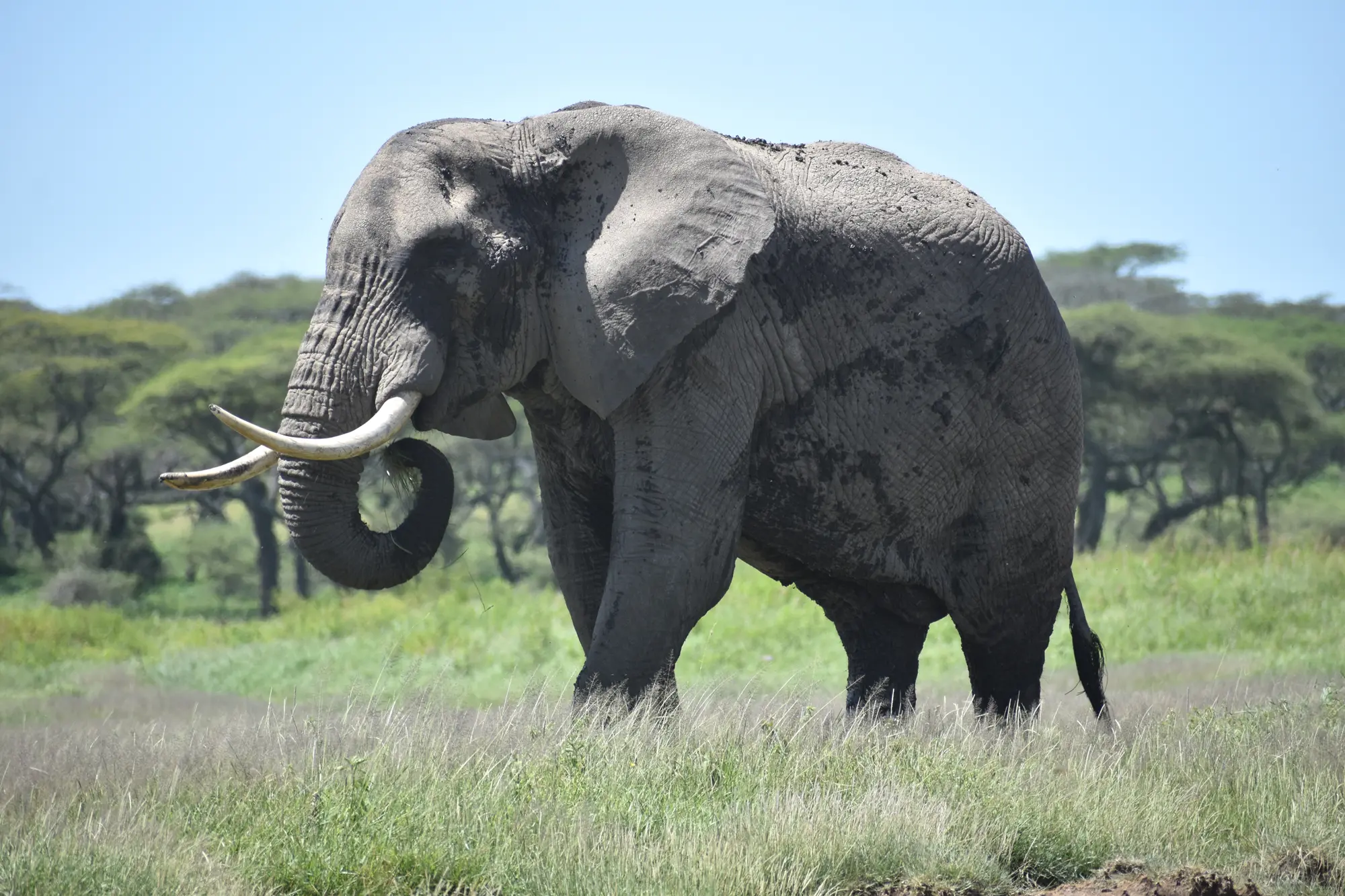
- Elephant
-
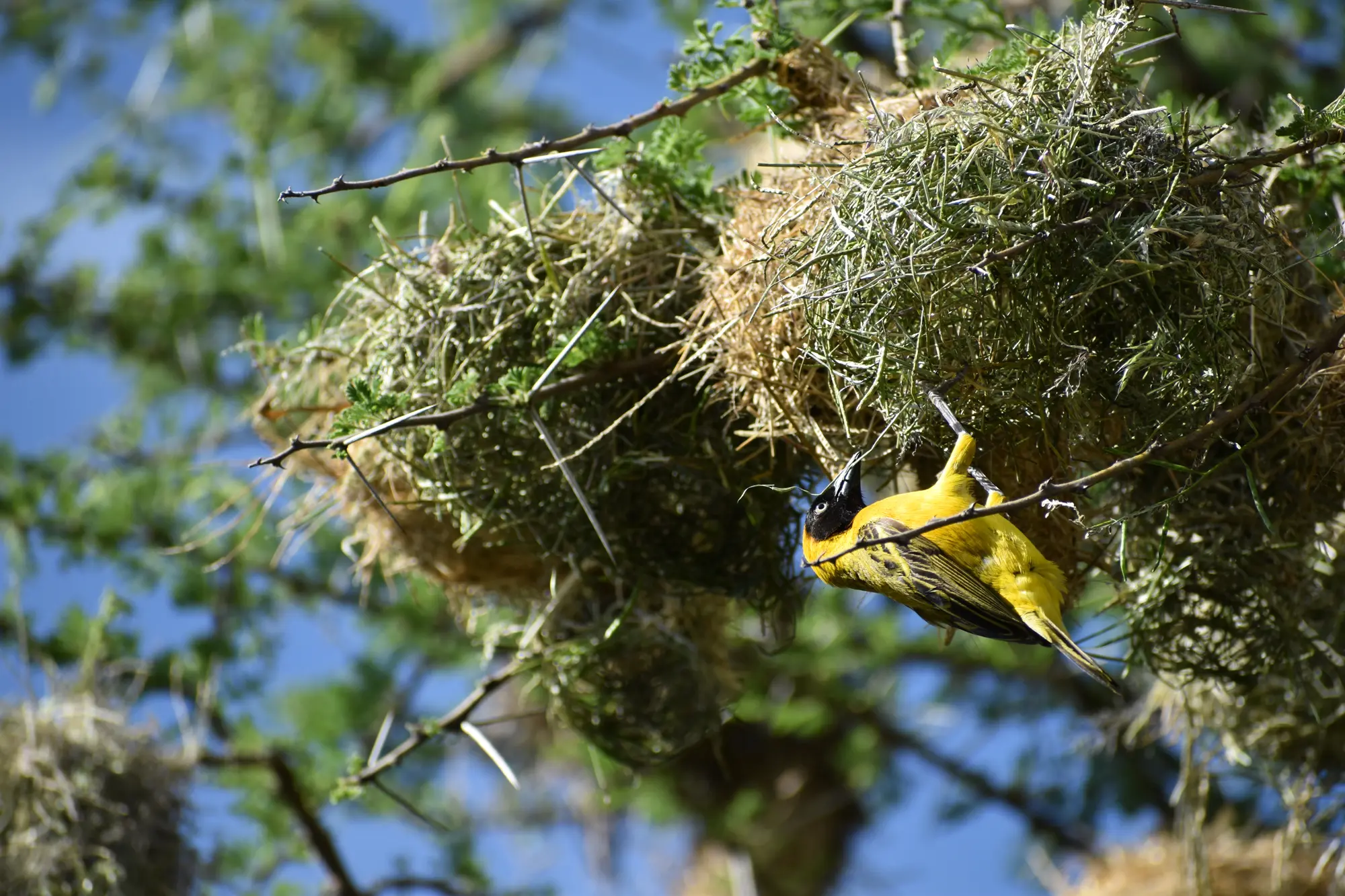
- Weaver bird building its nest
-
- Olduvai Gorge
Written by Mel Fox
I was initially attached to the ride in Zimbabwe due to its location in southern Africa and good connections. Since it is a shorter itinerary it works well as an add on to other rides and provides its own unique experience.
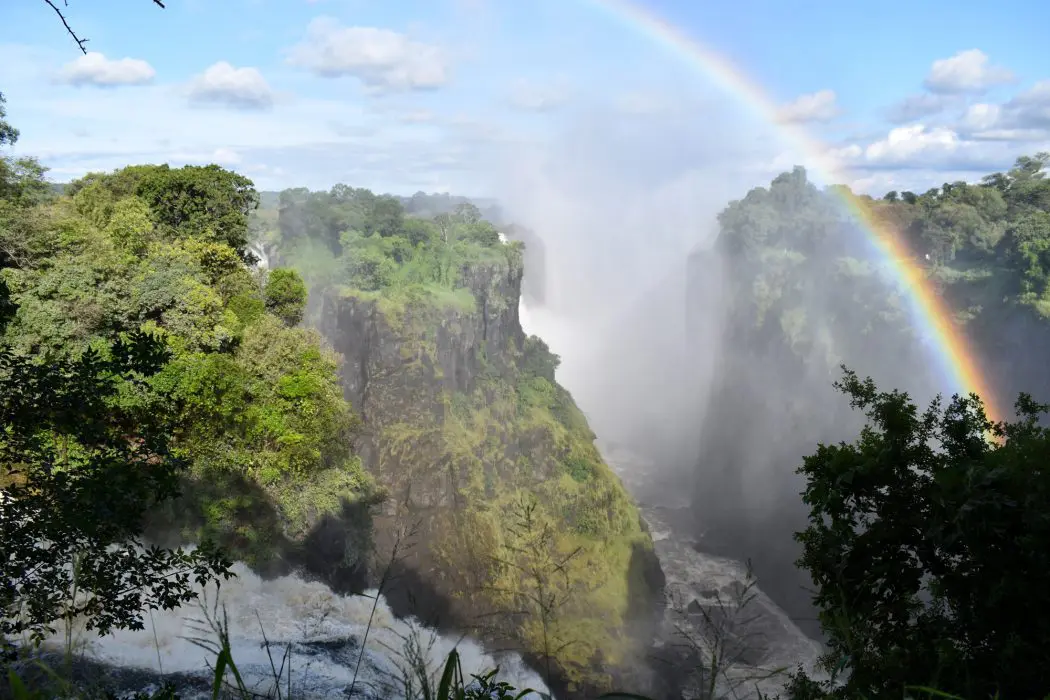
A view of Victoria Falls
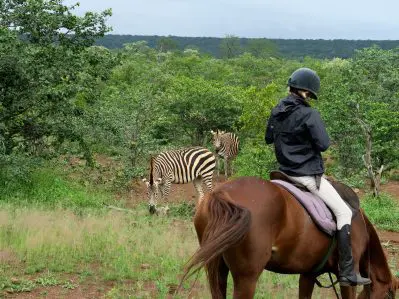
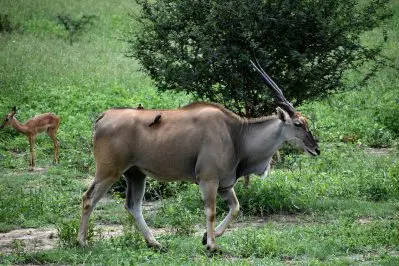
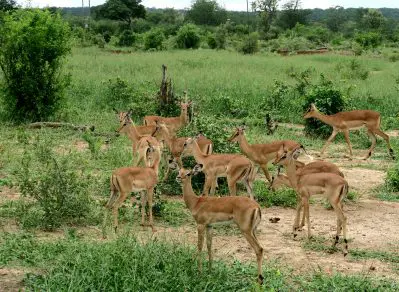
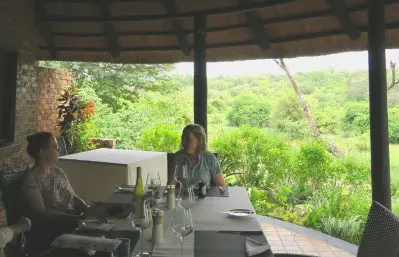
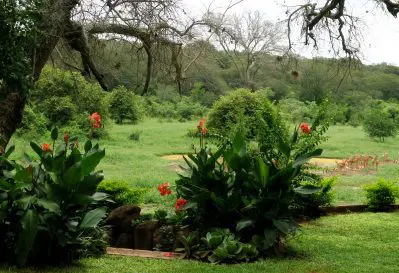
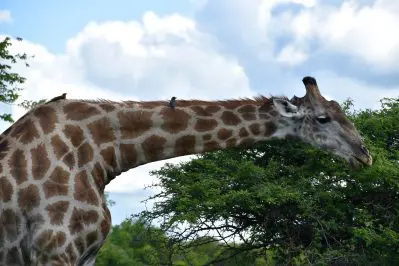
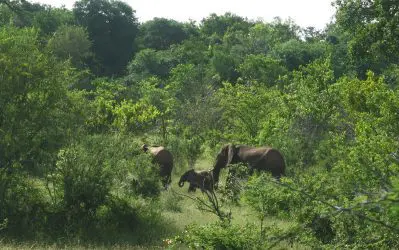
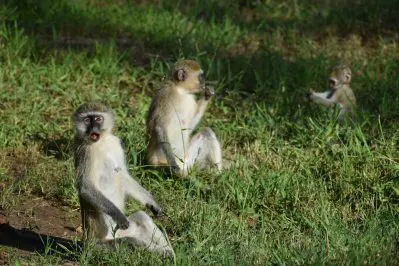
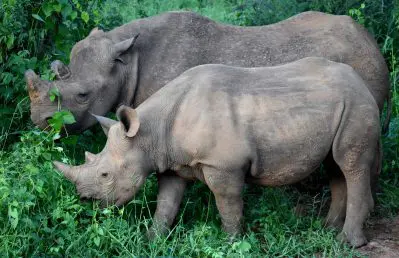
A big draw is Victoria Falls, one of the 7 Wonders of the Natural World. It was only a half hour drive from our small, charming lodge with a very active waterhole; impala, eland, zebra, elephant and baboons all visited during our stay. Daily rides through the mopane woodland let to close encounters with a variety of big game, including large herds of buffalo. A highlight was tracking black rhino and we saw a total of 8 of these highly endangered animals during our stay. Most of the ride is quite slow, meandering through the bush looking for tracks, but there were some exhilarating trots and canters along sandy tracks. Our guide, Alison, is a native Zimbabwean who has managed to survive through all the political turmoil and has many fascinating tales to tell.
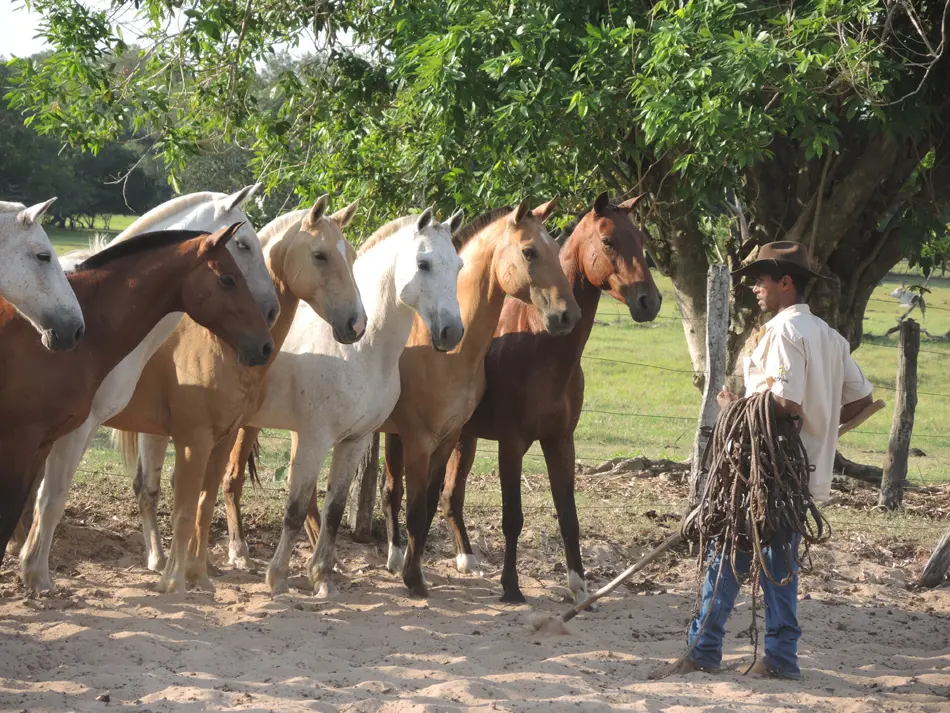
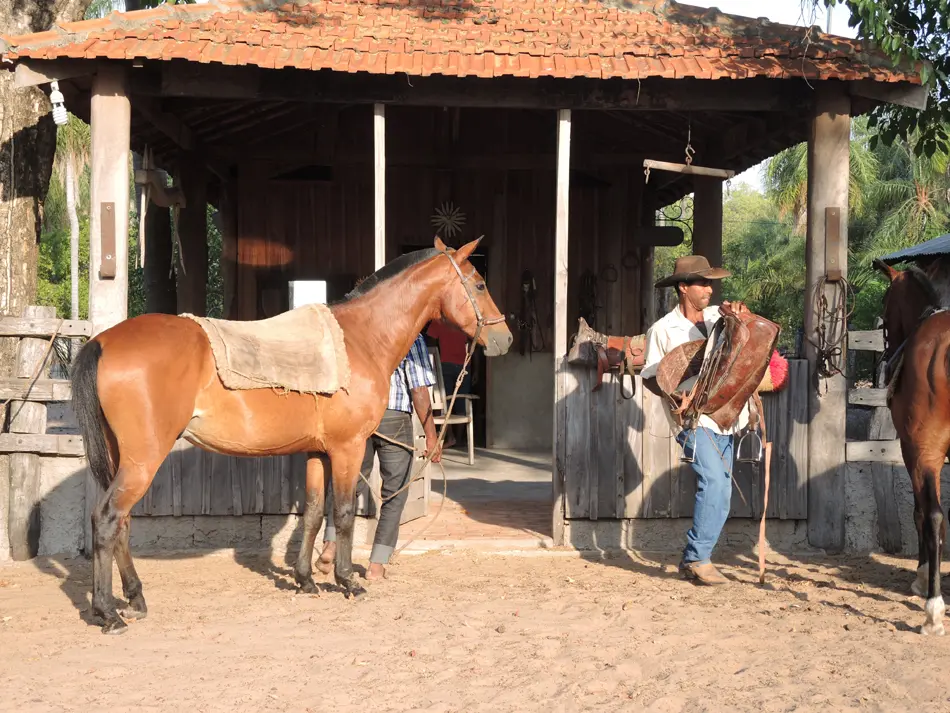
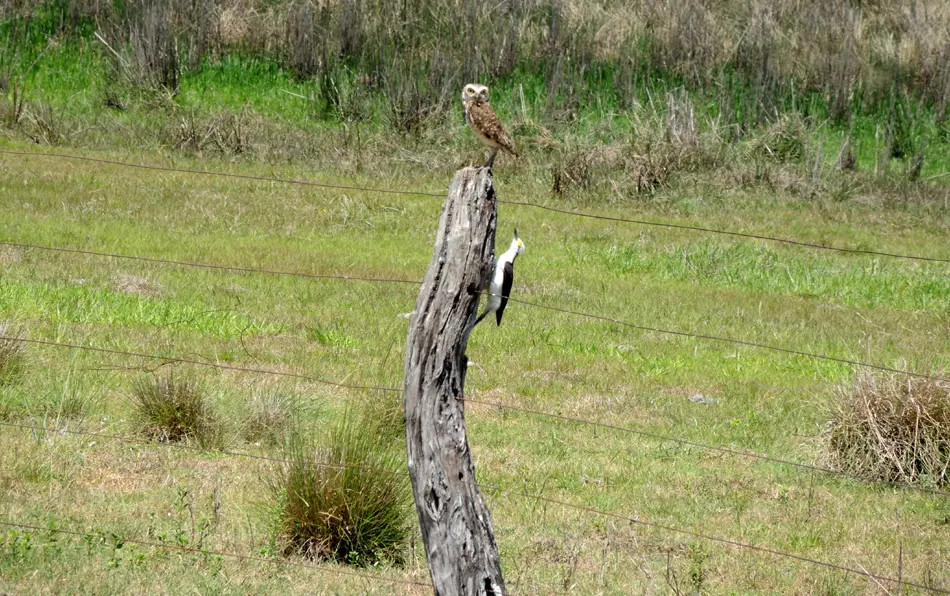
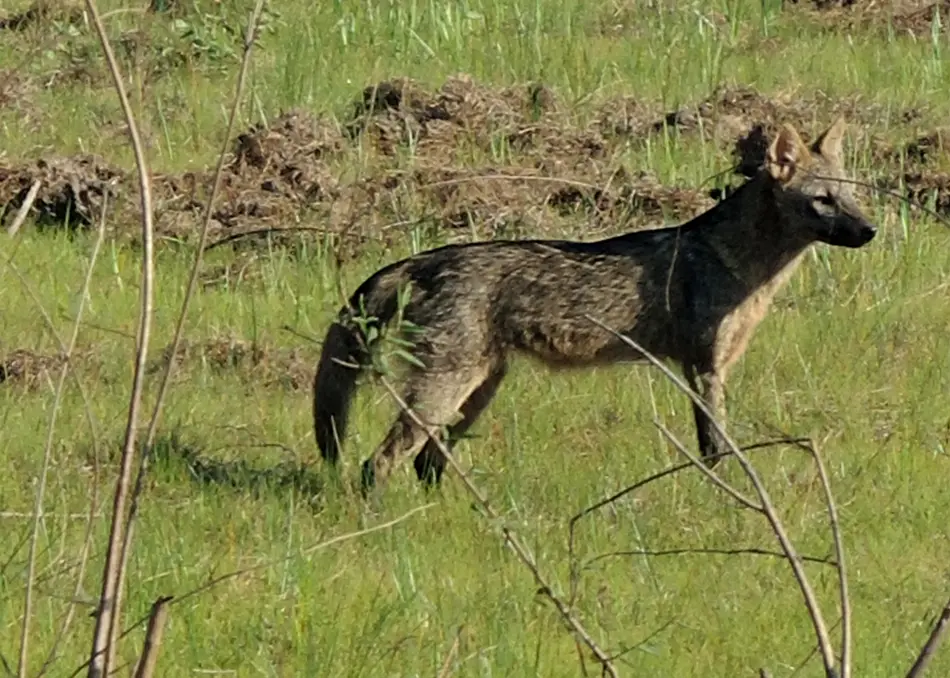
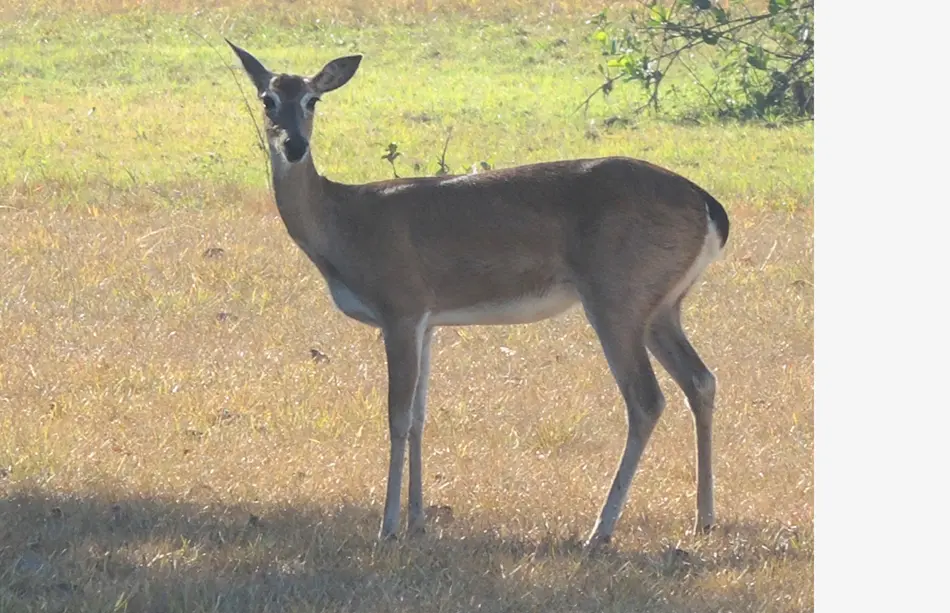
In 6 hours of travel the road went from tarmac to murrum to sandy tracks with countless gates leading from one fazenda to another. We finally pulled up beneath a large grove of mature mango trees with numerous little black pig families enjoying the cool shade and noisy parrots squawking overhead. Stepping past the verandah with inviting easy chairs, we were welcomed into the cool family home with fresh fruit juices. After a lunch featuring home grown vegetables with a meat dish and tasty desserts, and a long nap, we sallied forth in the late afternoon to meet the horses. Following the “line up” we were introduced to our mounts and tack (sheepskins thrown over the saddle tree, very basic stirrups and rather severe bits). The horses were lovely to ride, very responsive, but a little reactive on the ground. That first evening we saw crab-eating foxes, pampas deer and caiman in every pool, as well as numerous exotic birds, whose names we were just starting to learn.
-
- Gathering the horses for the day’s ride
-
- Tacking our mounts
-
- A gathering of two
-
- Crab Eating Foxes
-
- Pampas deer
-
- Pool filled with caiman
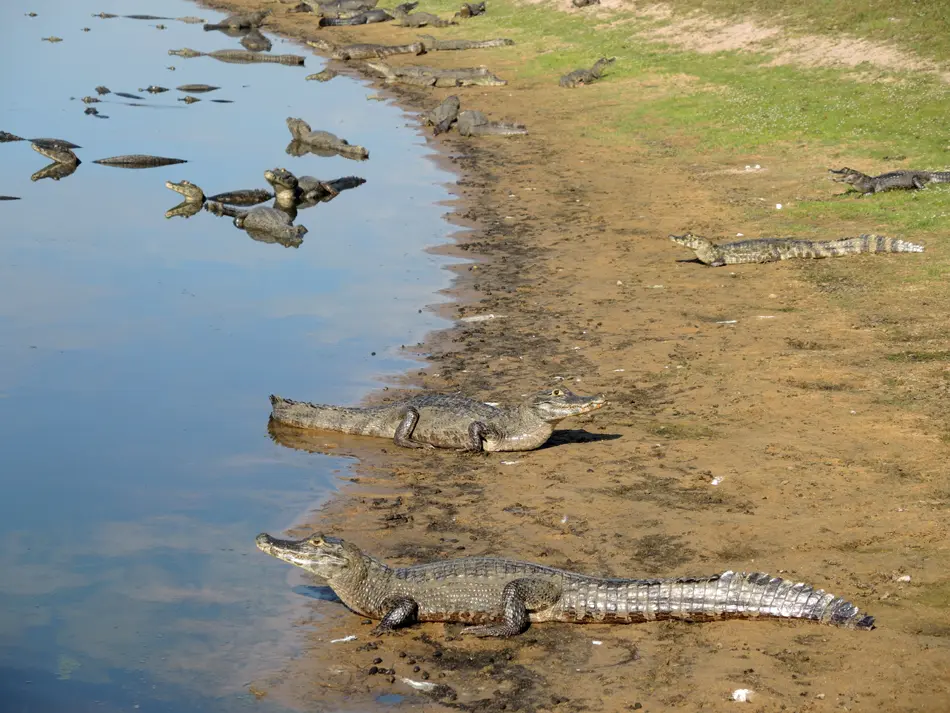
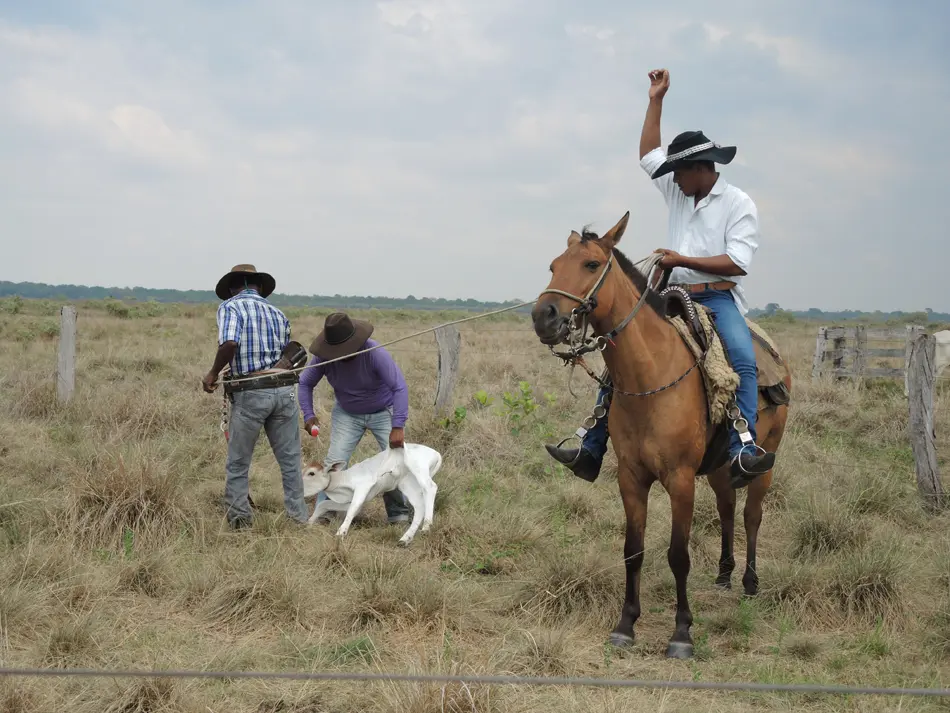
The days merged into each other; up at 5am to the call of the southern screamers, ride, returning mid morning, lazing the day away and another evening excursion. Sometimes we came across the pantaneros cowboys working their white cattle, lassoing, doctoring, sorting. The Pantanal is 90% privately owned and ranching traditions are proudly upheld.
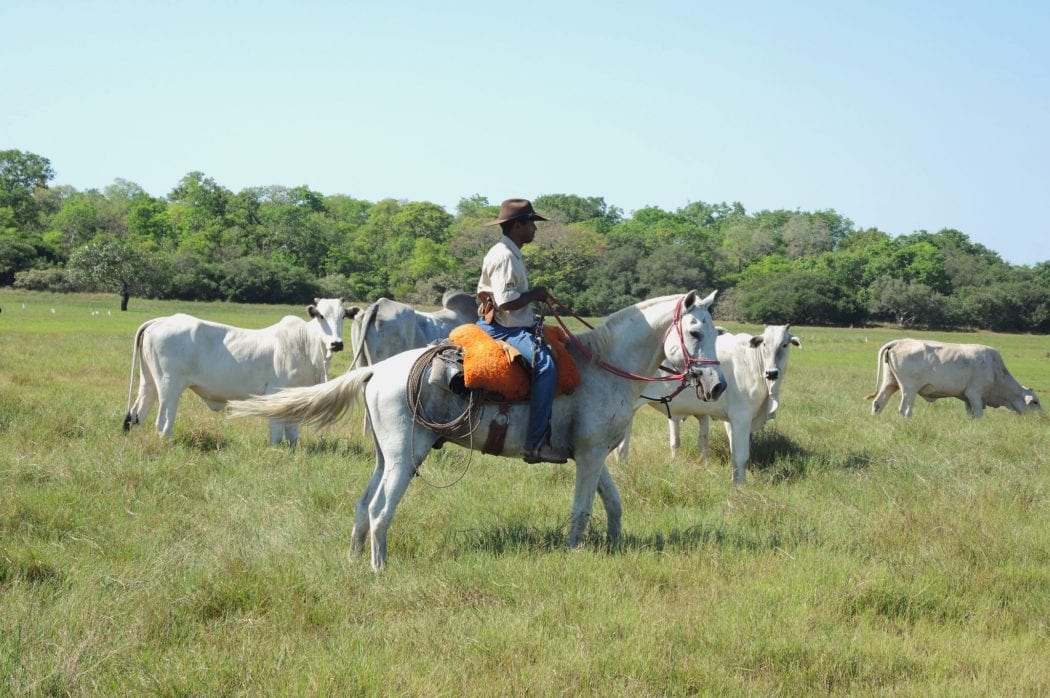
Pantaneros working their cattle
This is the largest wetland in the world and when the rains come the animals are forced to move off lush green pastures to high and more arid land. All the ranch buildings are situated in these areas and many have rough airstrips since they can be cut off for months at a time. The rides take place in the dry season of June through October.
-
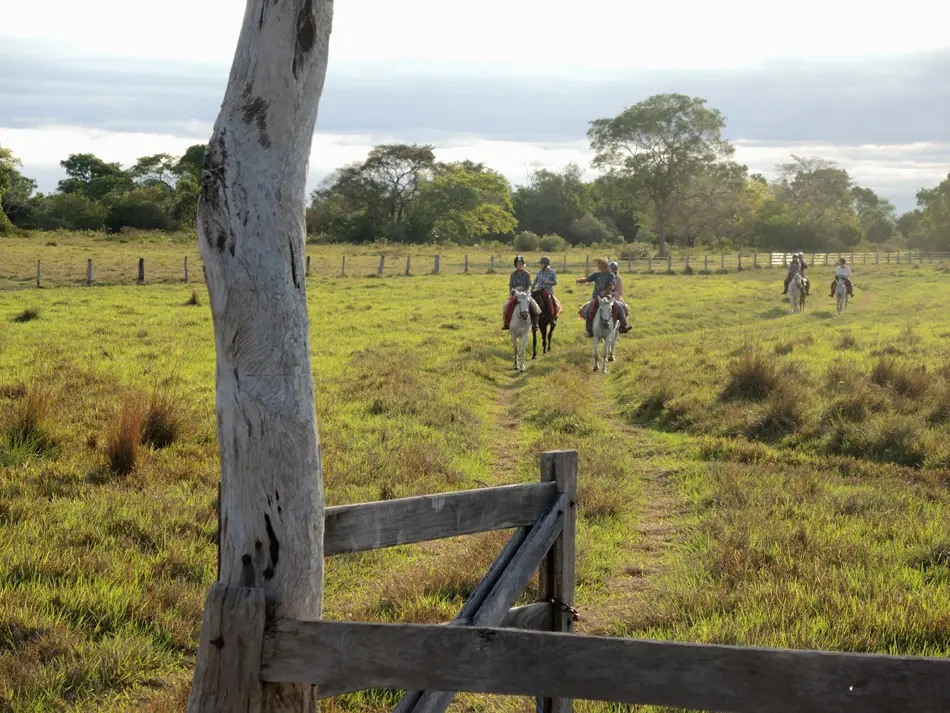
- Coming back to the fazenda after a good ride
-
- Our guide was personable and knowledgeable
-
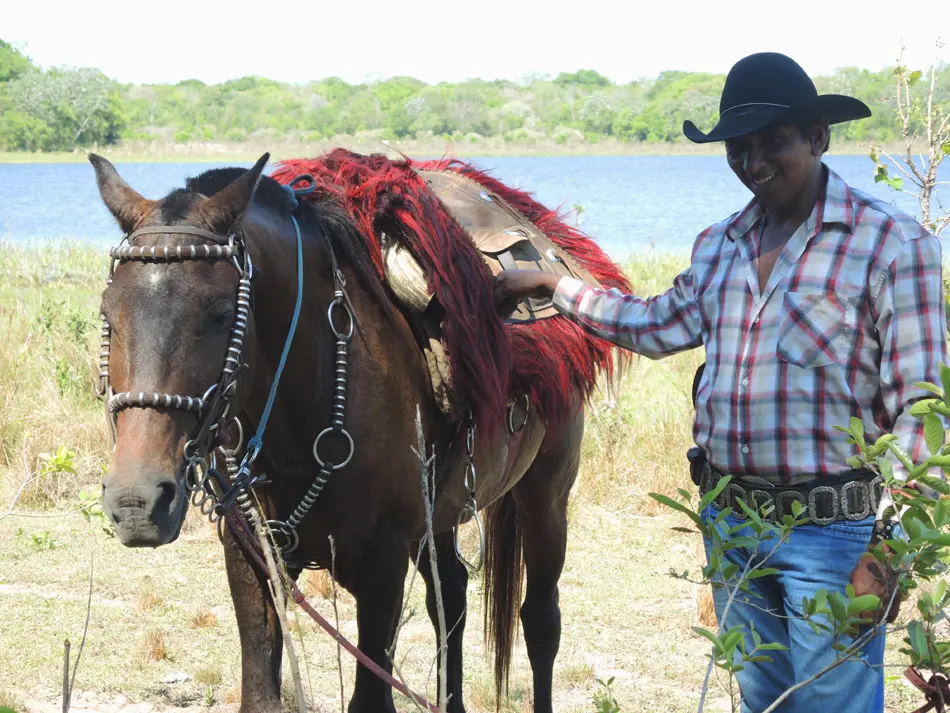
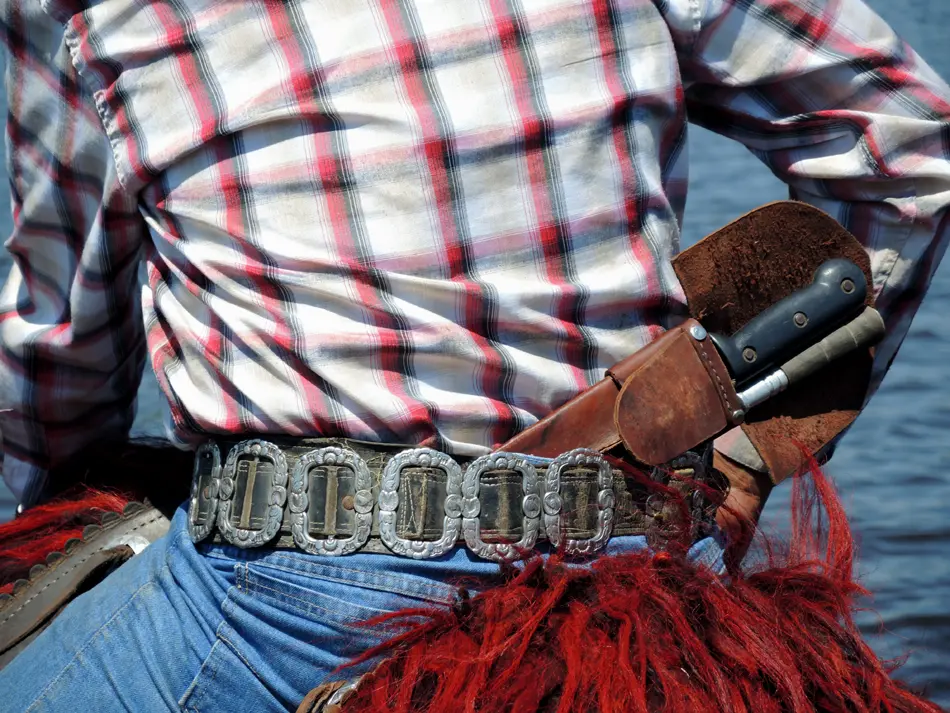
- Sporting the local fashion
-
- See the cowboys at work on the fazenda
-
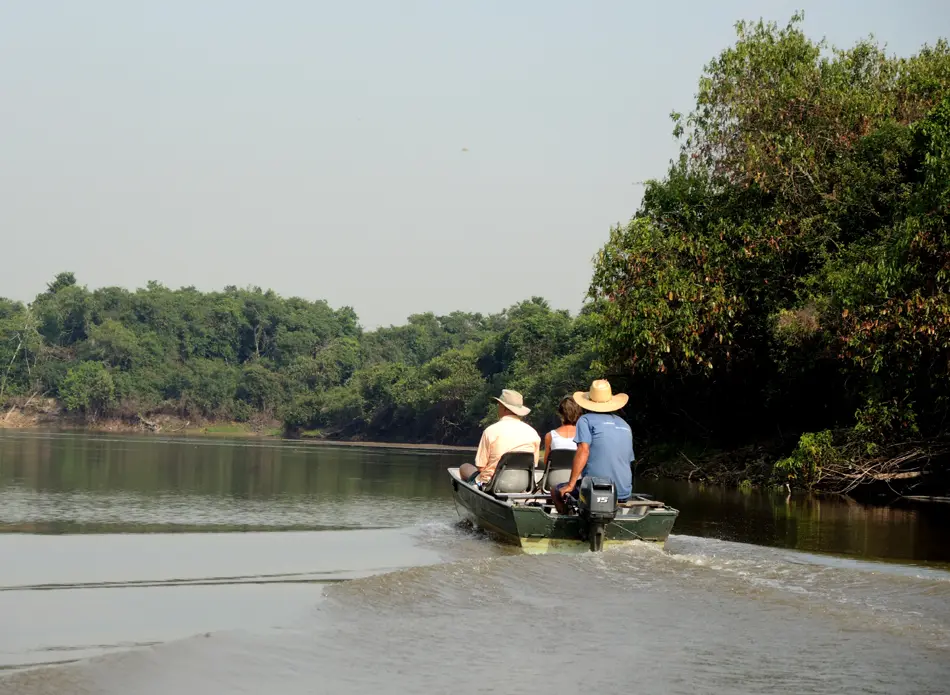
- Traveling by boat was a great way to spot wildife
-
- Capybara were common along the river banks
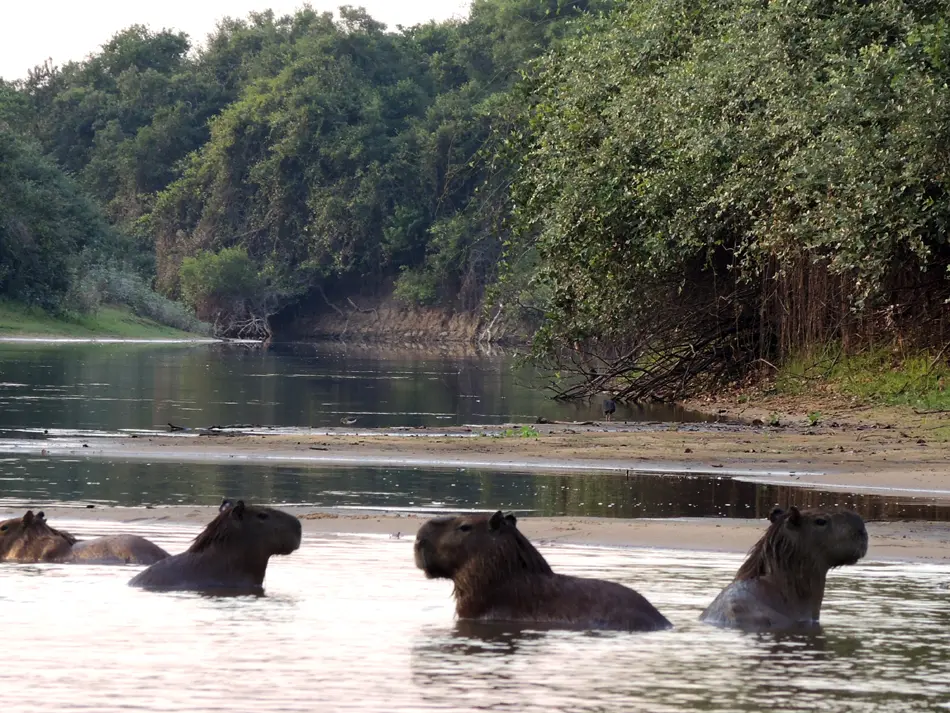
We stayed at two different fazendas, quite some distance apart, with a night in hammocks along the way. There was a river running by the second fazenda and one of the activities on offer was boat trips. It was magical motoring along through the shallow water, stopping to photograph capybara, giant river otter and numerous kinds of kingfishers, herons, ducks and birds that one could never have imagined. Our guide Daniel, who accompanied us on the whole trip, is an excellent ornithologist and made sure everyone was engaged and happy. This was an interesting and wonderfully relaxing holiday that could easily be shared with a non riding partner.
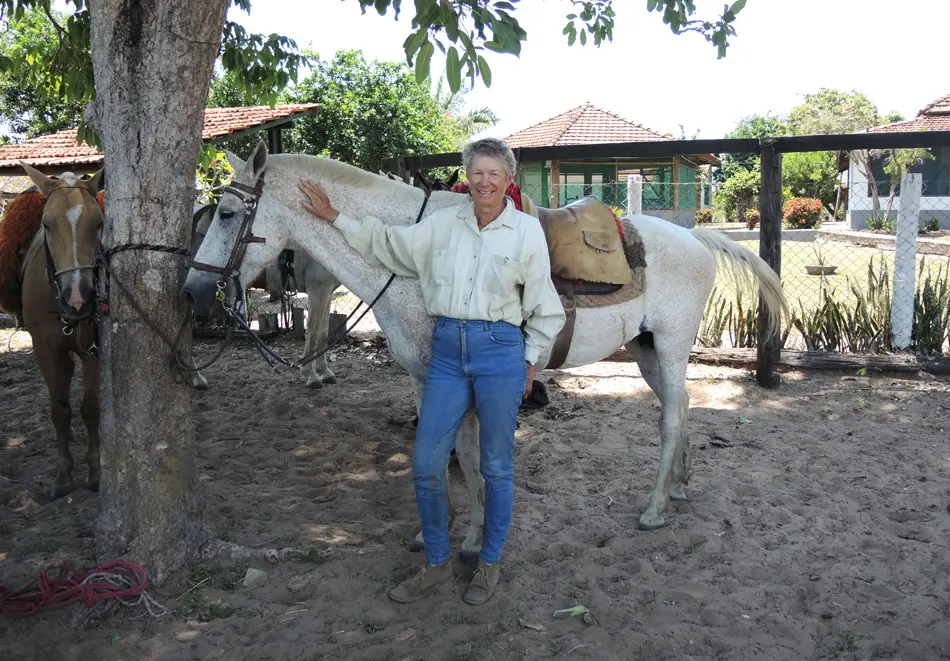
Written by Mel Fox
The Pushkar Fair and Diwali Festival ride combines many aspects of the ancient, exotic charm of Rajasthan with some splendid, fast riding on beautiful Marwari endurance horses. In the last 40 years since we began Equitours I have taken over a hundred rides. I have loved my gallops with the zebra in Kenya and my castle to castle rides in France stopping to taste the wine in vineyards on the way, but the magic of Rajasthan has drawn me back over a dozen times.
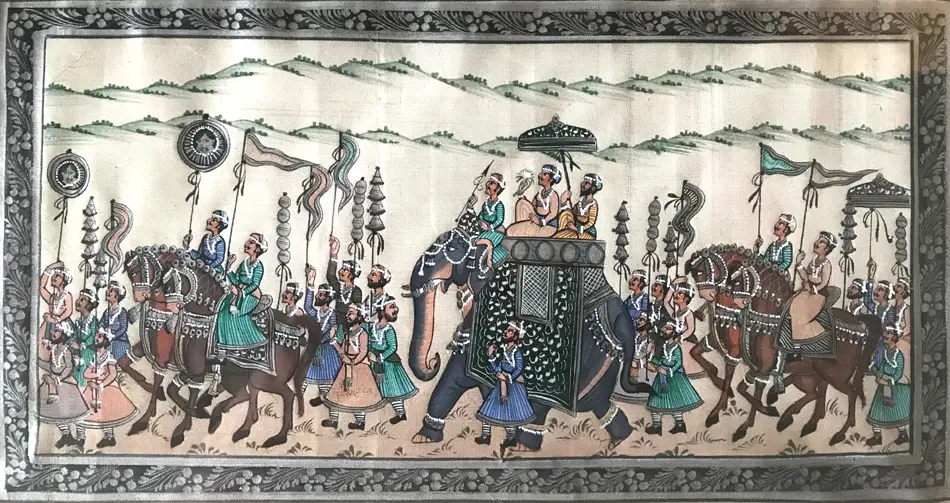
The rich culture, so much more ancient than that of Europe, is overpowering in its complexity and refinement. The Indian way of life is so different from ours that imaginative and adventurous tourists can’t help but be utterly intrigued. Lately India’s economy has progressed nearly as fast as China’s and society is changing rapidly, but this Korta Ride traverses a part to the country which has remained much as it was for millennia. You will visit small, remote villages where the local people tend their water buffalo, camels, goats, sheep and cows. There are dirt roads ideal for long canters and little traffic except for a few camel carts. The topography is dramatic in many places as you will be riding close to the spectacular Aravalli Hills, India’s second highest mountain range.
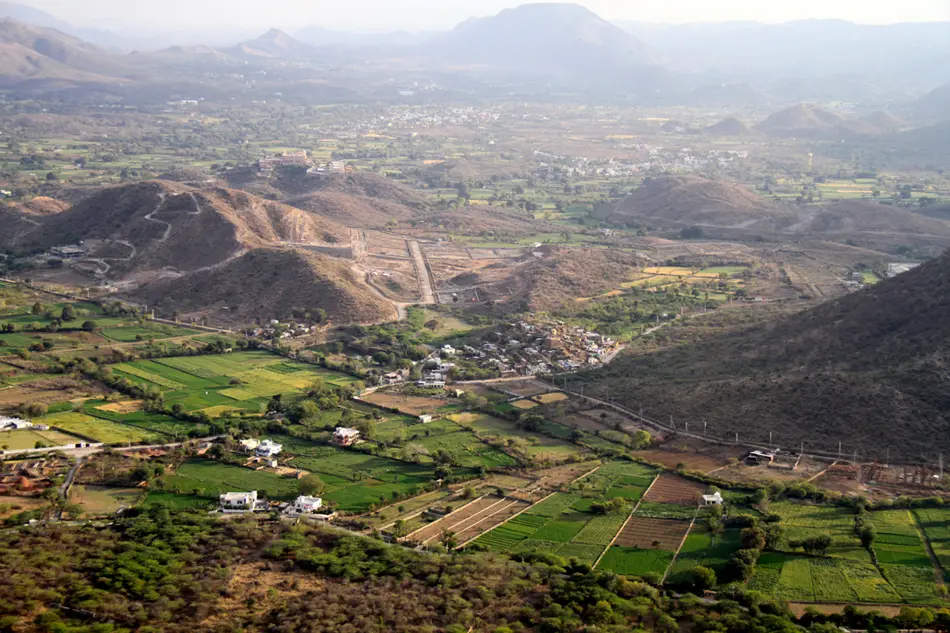
Aravalli Hllls
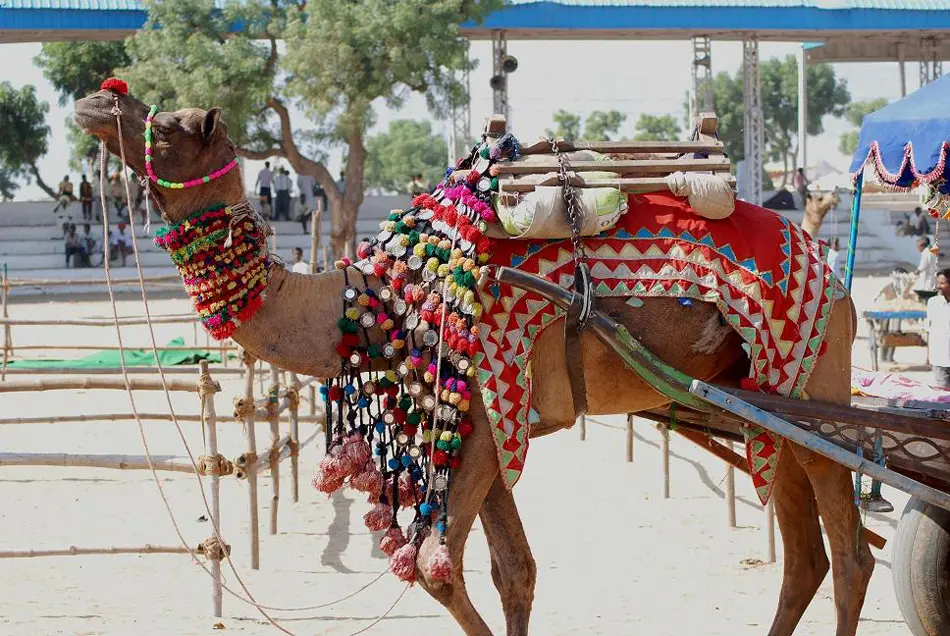
The adventure begins in Jodhpur with Diwali, the Festival of Lights, which is one of the most important Hindu celebrations when the whole town and the magnificent fortress which towers above it will be lit up in every imaginable way. At the end of the ride you will visit the Pushkar Fair. Local people come from many miles around to sell their camels, horses and cattle. There are many festivities including camel races and dances. You will be enthralled by the colorful pageantry of these two celebrations at the start and end of the trip and the fascinating life style in the remote villages you traverse on horseback which is such a contrast with our own. This ride should be a wonderful experience you will treasure for the rest of your life!
-
- Camel at the Pushkar Fair
-
- Traditional lamps lit for Diwali

By Bayard Fox, Equitours owner and founder
A short trip from mainland Ecuador, the Galapagos Islands are home to a stunning array of wildlife. A key part of Darwin’s journey in developing his theory of evolution, the islands have long fascinated mankind. Equitours is able to organize an extension to visit the Galapagos in conjunction with a riding trip in Ecuador, as we did for a group in January, 2019. Please enjoy the slideshow of photos from their trip.
Written by Kenji Aoki
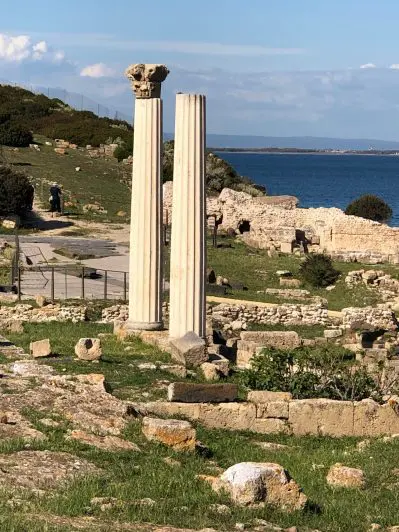
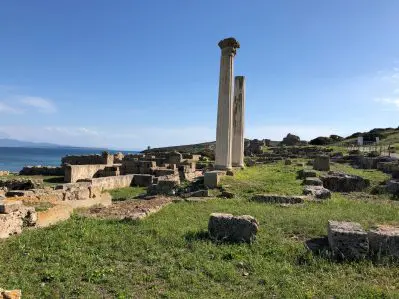
I was part of a group of 6 on the Liberty ride in Sardinia, everyone had a great week and enjoyed it a lot. We were able to observe the Sant’Efisio festival in Cagliari, which was colorful and interesting. During our riding program there were great horses, and the guides and instructor had excellent knowledge. The rooms and food were also excellent!
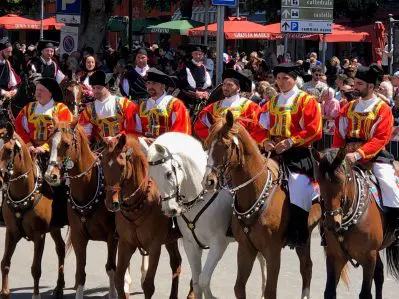
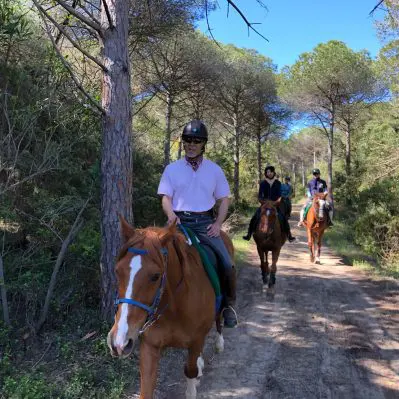
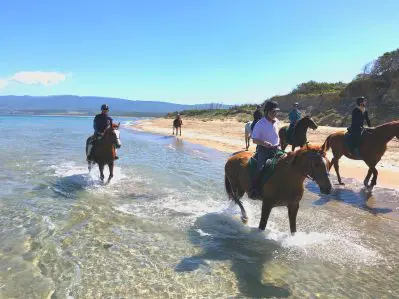
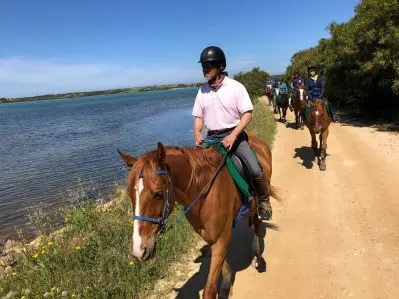
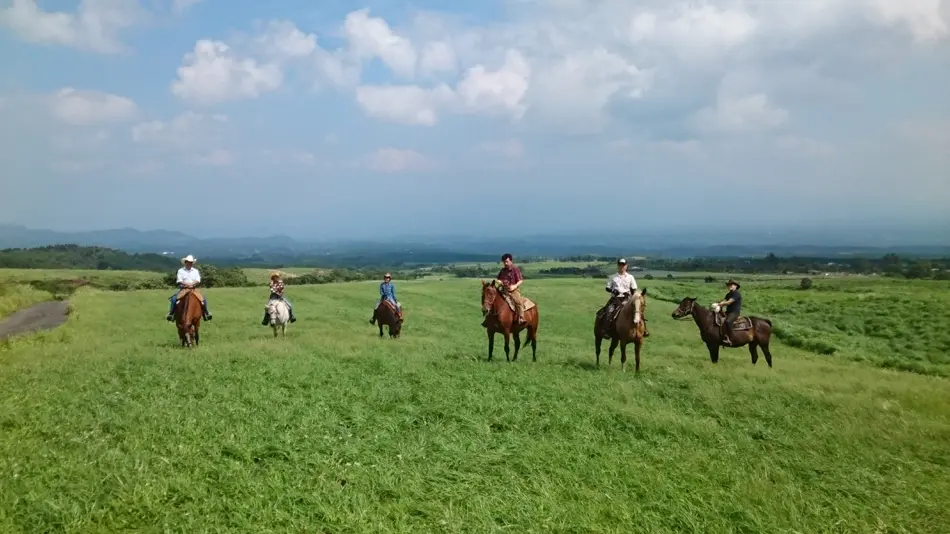
Please enjoy these testimonials from the Samurai Ride.
For those who want an inside experience in Japan this is the trip. Everything you do is part of getting to know a foreign culture. And there are things that you will do that you will not find that anyone else has ever done, and it’s fun!! There are no adequate words to appropriately describe cherry blossom time in Japan. You have to be there to really appreciate its significance and beauty. The country also sets the high water mark for cleanliness. The first stable, in the hills, had limited land but we had loads of very good trots and canters. The second place we rode ended on a 6k beach which offered you your choice of speed. Everyone we were in contact with made me feel at home and that they could not do enough to make sure we were having a very good time. – Gitterman, 2017
My daughter and I had a marvelous time in Japan. It was a medium to well-experienced rider trail ride for a week on good quarter horses through forests of bamboo and mixed trees including the deservedly famous flowering Cherry trees. We had picnics in meadows with beautiful vistas in Mt. Aso National Park. We had lots of long gallops, including on the beach, and were always in sight of the surrounding mountains. The food and the accommodations at local inns were excellent, and tailored to our individual tastes. I heartily recommend this ride! – Duke, 2017
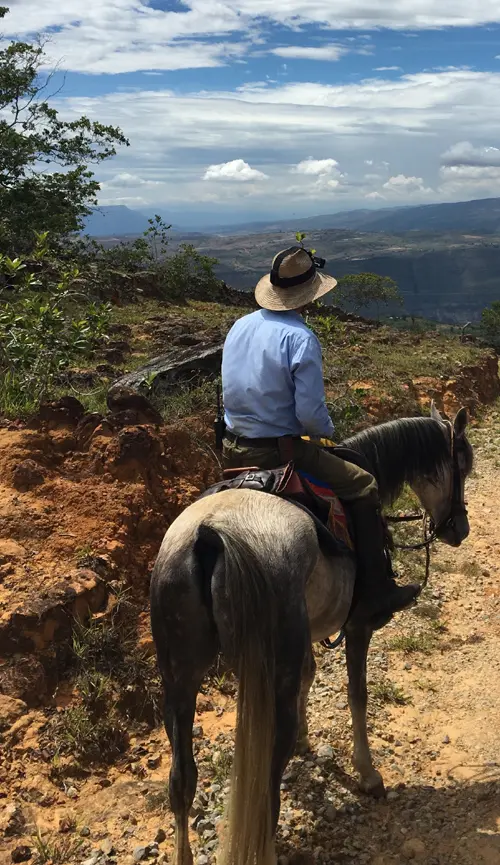
The Barichara Ride in Colombia is designed especially for adventurous and inquisitive riders who want to participate in a challenging and unique experience. Here you discover the extreme landscapes of Colombia as you follow the Royal roads used firstly by the Conquistadors, the traders and later by the revolutionaries and independence fighters against their Spanish king in the early part of the 19th century. The routes will lead you from the historic lands of Boyacá to the state of Santander; explore wild and diverse landscapes, as well as historic villages bustling with a vibrant and colorful culture. People have known hardship and adversity in the recent past but they are now emerging into the future with a sense of renewed freedom and energetic independence.
Your host and guide is Julio Pardo, an experienced horseman and Colombian national who has dedicated much of his life to breeding and cultivating equestrian athletes, first in the competitive sport of polo, then for the long distance demands of endurance racing and now for the trail of discovery. Together with a hardworking ground team, he shares with you the unique relationship of horse and rider, the physical demands of the trail and magical realism of Colombia.
-
- Our guide, Julio
-
- The Colombian horses
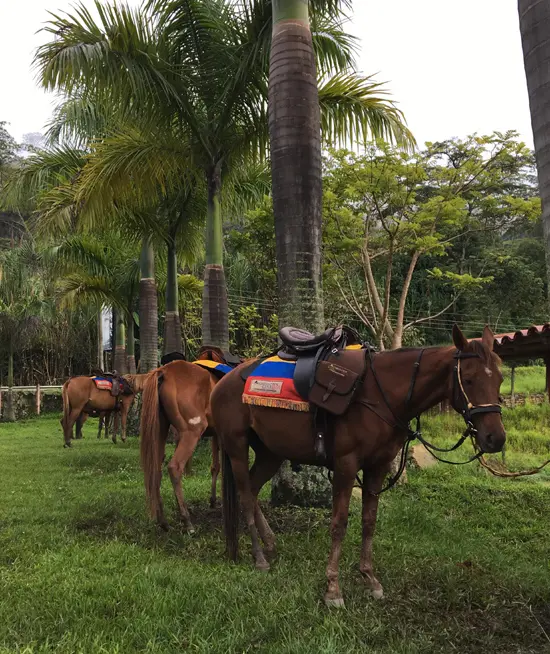
Colombia enjoys a tropical climate due to its unique position on the equator and the influence from the surrounding rainforests, mountains, Pacific and Caribbean Oceans. This results in a regular temperature which remains mild year round, but with the intermittent threat of rainfall during the green season and cooling winds in the dry season. The only differences in temperature will be felt as you climb higher in altitude, in order to explore the mountain villages, before returning to the lowlands and to warmer conditions. This climate results in a near perfect situation for the growing of a large variety of tropical fruit, cocoa and sugarcane crops, as well as being one of the greatest regions for coffee bean processing and production.
Upon pickup from the Bogota airport we were transferred to a ranch in the Valley Verde area, about 2 hours outside Bogota where we would spend the first two days of riding. From there we transferred to the town of Oiba for the first night of the Barichara ride. The only unfortunate situation was that the hotel was situated along a busy highway so rest was not easy to come by in the rooms of the hotel facing the highway. The next morning we received our safety briefing during breakfast before we set off on the fresh horses on our way to the town of Charala. The horses were quite excited to be starting the trail and all having been used for endurance were ready to go so you definitely have to be a confident rider. Up and down steep mountain trails we could appreciate the horses’ endless energy as they would be needing it for the weeks trail. We rode through lush vegetation along the hillsides and enjoyed vast views of the surrounding mountains. At our lunch stop a strong thunderstorm developed with a downpour. Fortunately we were able to wait out the worst of the storm while playing Teja, a game like horseshoes but with rocks which is played by the locals to pass time.
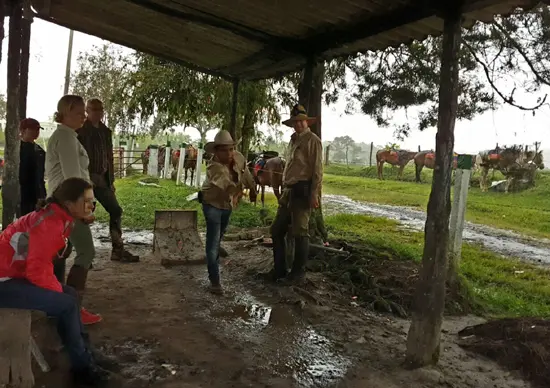
Playing Teja during the storm
Once the worst of the storm was over we set out again on the trail but it continued to rain for the rest of the afternoon. All of us had come prepared with rain gear and since it was a warm rain riding was not unpleasant, except that the trail became slippery. The sure-footedness of the horses was revealed and late afternoon we rode into the town of Charala and to our colorful accommodations outside the town. After a quick shower and change into dry clothes we headed out for an evening city tour before dinner at our accommodations.
The second day we continued our ride to the Valley of San Jose. We rode up and down the mountains through verdant valleys. Today was much hotter and our lunch stop at a restaurant close to a waterfall was a great reprieve. Most of us opted to take a dip in the natural pool at the base of the waterfall to cool off after lunch. Due to heavy rains in the area for the last weeks the flow of the water was quite strong so one had to be careful, but it felt so refreshing. After lunch we had a very steep climb along the hillside out of this valley and we were all amazed by the horses who made it look and feel so easy reaching the mesa above. From there we descended into the valley of San Jose to quaint accommodations with a pool. Even though it had started to rain lightly in the afternoon most of us refreshed with another dip in the pool.
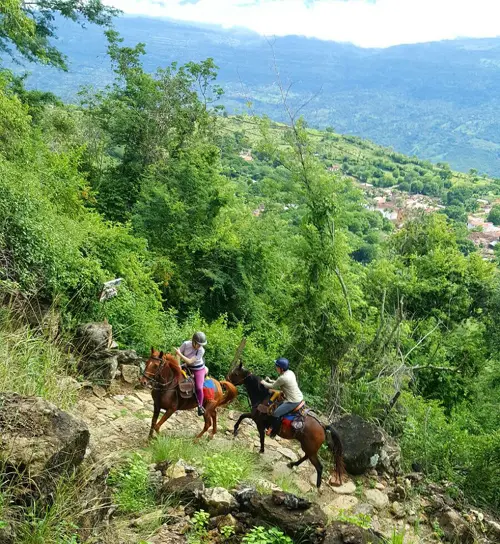
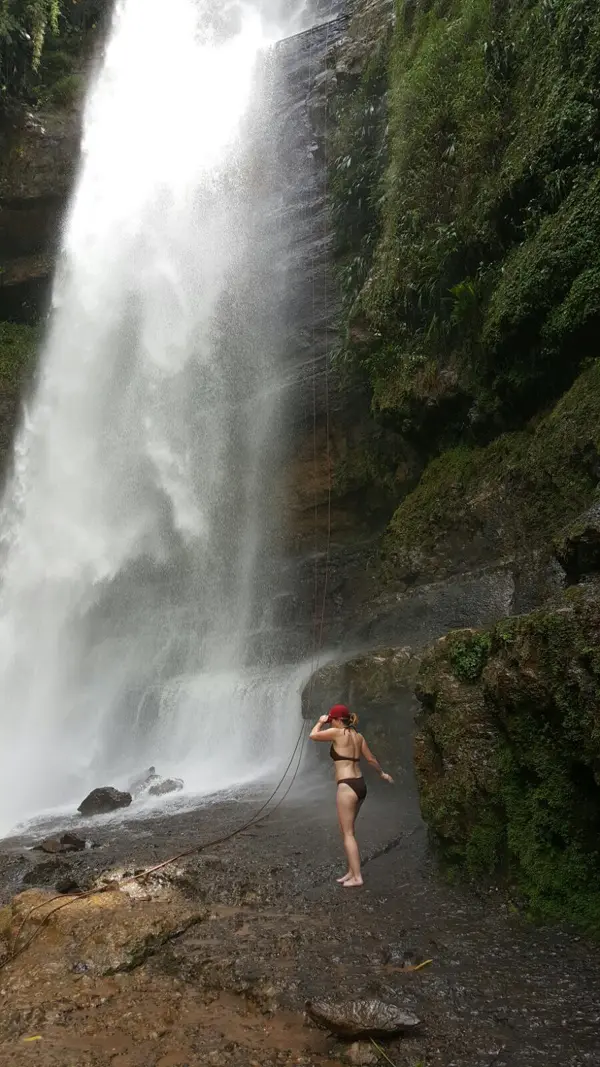
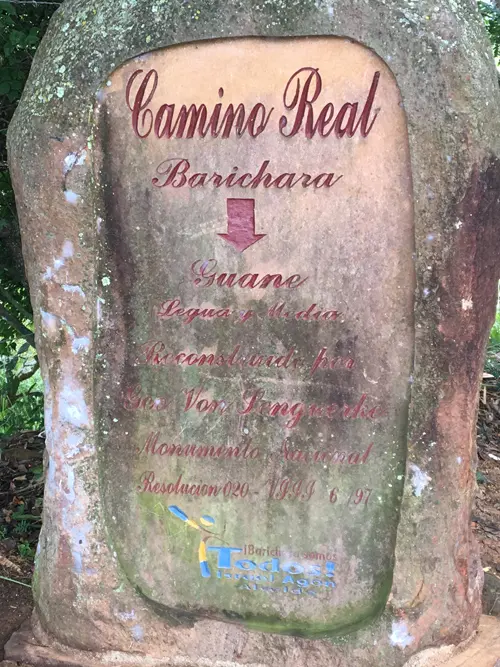
Day 3 took us from the San Jose Valley via the town of Socorro to another lunch stop with a swimming pool in a park at the bottom of the valley below Socorro. The town itself lay below us as we entered on cobblestone streets. Another very warm day and we took advantage of being able to stop and have some cool refreshments at a local store; beer, ice-cream and cold soft drinks were welcomed by all. For lunch we had sandwiches in our saddle bags and extra water to stay hydrated but the owners of the lunch stop also provided us with local appetizers and cold drinks after the long morning ride. In the afternoon we reached the beautiful town of El Palmar, home to a very famous and historic Ceiba tree in the main town square. In local legend the town is said to have built up around this great tree which measures roughly 10 meters in diameter around its trunk. The night was spent at a quaint local hacienda.
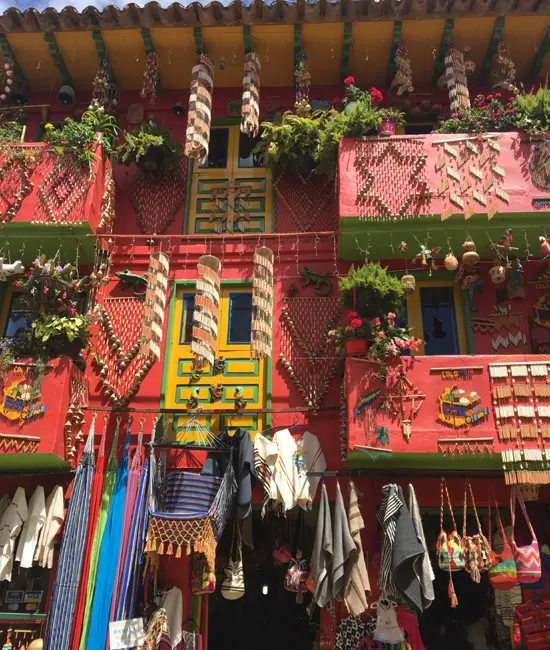
The next morning we crossed back over the Suárez River by way of a road bridge and picked up the trail to the small rural village of Cabrera. This little settlement is known locally for its exceptionally preserved Colonial architecture. From here we followed the ancient roads leading us down to the plateau and the historic town of Barichara. The town is recognized as the emblematic jewel of Colombian history. Entering the town by way of a royal bridge we had some time to appreciate quaint cobblestone streets and observe its numerous ceremonial parks and magnificent old churches. The next 3 nights were spent at a colorful family owned hotel overlooking Barichara.
-
- Our colorful hotel in Barichara
-
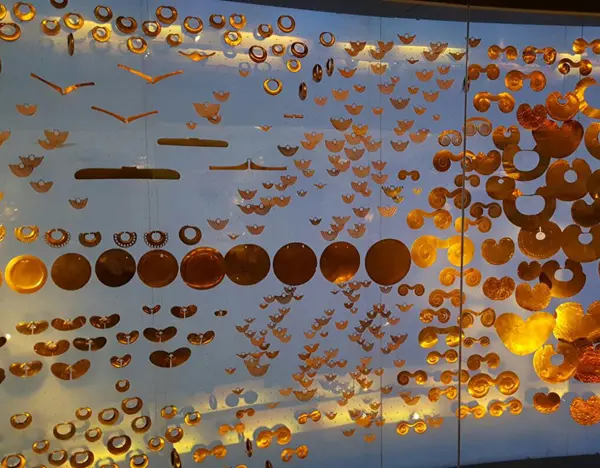
- Visiting the gold museum in Bogota
After a lovely breakfast at the hotel consisting of fresh fruit, the famous Colombian coffee, eggs cooked to order and homemade bread we were ready for the long ride to Chicamucha Canyon. During the ride we took advantage of the more open roads to enjoy long trots, canters and gallops. By now we had come to trust and appreciate the energy of our horses and were really thrilled with the exhilarating pace of today’s ride. This area enjoys a hotter and drier climate then on the previous days.
We visited a coffee plantation on our way to the canyon where we were able to learn about growing organic coffee in this area of Colombia and how they had to adapt their production to the climate. We were invited to the home of the owners for refreshments and to sample the coffee they grow. Afterwards we continued along dirt roads at a good clip to make up for some of the time we spent at the coffee plantation and we still had a long way ahead of us to Chicamucha Canyon. On arrival close to the canyon we stopped for lunch and cold refreshments before walking down to the canyon, which reminded me of the Grand Canyon. On our way back to Barichara we again tried to make up for a bit of time and even though we trotted and cantered for long stretches – it was amazing how much forward energy these horses still possessed after 5 long days in the saddle – we arrived back in town in the dark, guided by the light of the head lamp Julio was wearing and trusting our horses to bring us back safely.
Upon arrival at the hotel we all showered, changed and were ready for another delicious dinner at our accommodations.
The next day we participated in a morning city tour of Barichara and had the afternoon off to just relax and explore the town after the long days in the saddle. Some of the riders took advantage of the shopping opportunities in town for souvenirs such as textiles, ponchos and pottery. Often described in literature as the “prettiest town in Colombia”, Barichara has a lot to offer visitors in such a small and unassuming place. The tranquility offered is quite unparalleled, a real national treasure with its roots deeply ingrained in the time of the Spanish Conquests. Here you discover pretty whitewashed houses with red-tiled roofs, surrounded by quiet cobblestone streets. Occasionally you will stumble across an artisanal craft shop, or perhaps the odd lovely little bar or restaurant, as well as a great many churches.
We enjoyed a farewell dinner at one of the local restaurants in town. The next day we transferred the long way back to Bogota which took us about 8 hours as traffic was horrendous coming into Bogota on a Sunday evening. In Bogota we stayed at a Marriott hotel in a business area of the city. We had two more days to explore Bogota and opted for a visit to Montserrat and a quick tour of the gold museum.
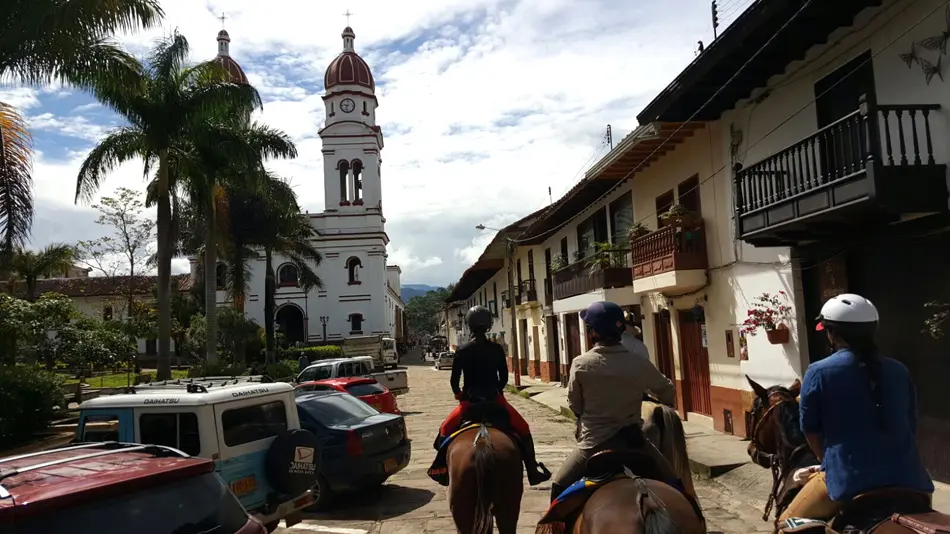
Views of riding through Colombia
I would recommend this tour for experienced trail riders who are adventurous and enjoy exploring up-and-coming countries in terms of tourism. We met friendly locals everywhere and enjoyed following the footsteps of Simon Bolivar who aided Colombia in its independence from Spain. I loved the Spanish influence of the area with the cobblestone streets in the towns and villages which date back to the 16th century. The food was fresh and nourishing and we all enjoyed the fresh juice options available daily and the home cooked meals. The accommodations were quaint and comfortable, ranging from village hotels to family owned haciendas in the area. Julio, his daughter and their support staff did a wonderful job of making sure everyone had a great time on the ride, the horses were fresh and ready to go, surefooted and fun to ride and gave us their all until the last day.
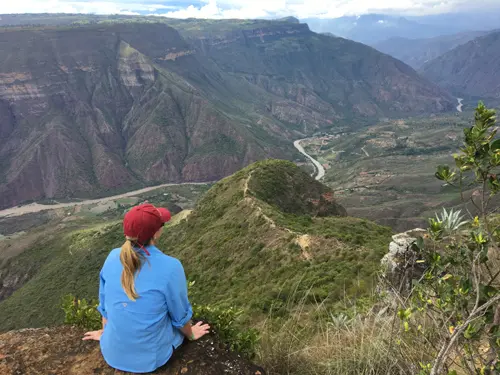
Written by Biggi Hayes
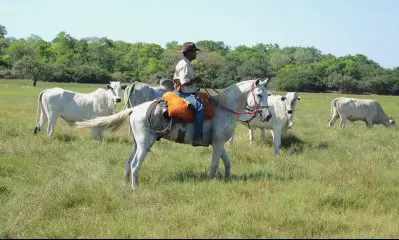
Riding in Brazil’s Pantanal
Posted on: Monday, November 4th, 2019
In 6 hours of travel the road went from tarmac to murrum to sandy tracks with countless gates leading from one fazenda to another. We finally pulled up beneath a large grove of mature mango trees with numerous little... Browse article
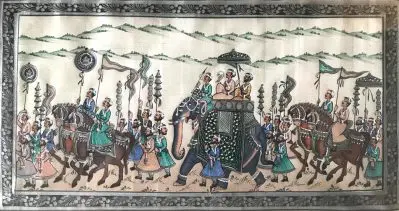
The Magic of Rajasthan
Posted on: Monday, June 10th, 2019
The Pushkar Fair and Diwali Festival ride combines many aspects of the ancient, exotic charm of Rajasthan with some splendid, fast riding on beautiful Marwari endurance horses. In the last 40 years since we began Equitours I have taken... Browse article
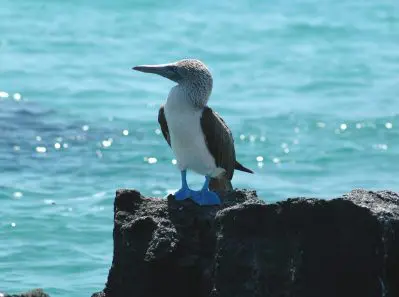
Visiting the Galapagos Islands
Posted on: Wednesday, May 8th, 2019
A short trip from mainland Ecuador, the Galapagos Islands are home to a stunning array of wildlife. A key part of Darwin’s journey in developing his theory of evolution, the islands have long fascinated mankind. Equitours is able to... Browse article
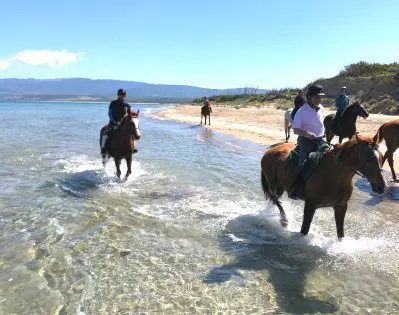
Sardinia’s Riding at Liberty
Posted on: Sunday, May 5th, 2019
I was part of a group of 6 on the Liberty ride in Sardinia, everyone had a great week and enjoyed it a lot. We were able to observe the Sant'Efisio festival in Cagliari, which was colorful and interesting.... Browse article
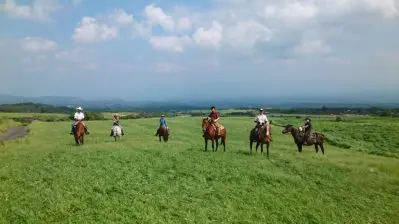
Riding in Japan
Posted on: Friday, February 1st, 2019
Please enjoy these testimonials from the Samurai Ride. For those who want an inside experience in Japan this is the trip. Everything you do is part of getting to know a foreign culture. And there are things that you will... Browse article
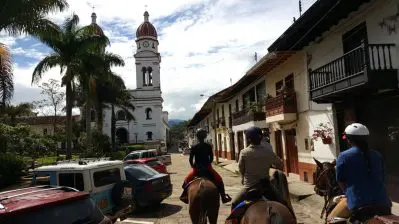
On the Trail in Santander, Colombia
Posted on: Thursday, December 27th, 2018
The Barichara Ride in Colombia is designed especially for adventurous and inquisitive riders who want to participate in a challenging and unique experience. Here you discover the extreme landscapes of Colombia as you follow the Royal roads used firstly... Browse article
You’re Never Too Old!
Posted on: Thursday, May 10th, 2018
A Successful First Riding Vacation in Italy Last week I returned from my first riding holiday. We selected the “Tuscan Villages and Vintages” in Italy. The fact that I am 62 years of age may not be exceptional for... Browse article
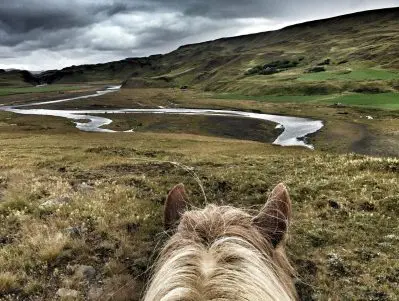
Exploratory Ride in South and West Iceland
Posted on: Tuesday, May 1st, 2018
Since Iceland has become such a tourist destination and the riding holidays we offer in South Iceland into the Highlands are so popular, but with mountain hut accommodations where one room sleeps all, we have been looking for a... Browse article
Mozambique featured in CNN’s Inside Africa
Posted on: Wednesday, April 18th, 2018
The amazing story of our organizers of the Beach Safari in Mozambique was recently featured on CNN. Watch the three sections below for in glimpse of how they made the journey from Zimbabwe to settle themselves and their horses... Browse article
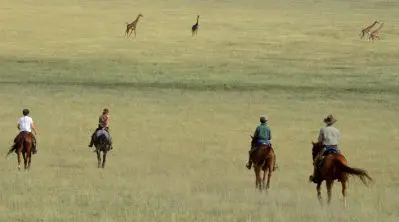
The Serengeti by Horseback
Posted on: Wednesday, April 18th, 2018
Recently Mel Fox accompanied a group of Equitours guests on a new riding safari in the Serengeti ecosystem, offered by the same wonderful outfitter who organizes our other rides in Tanzania. Although the weather was not in their favor... Browse article
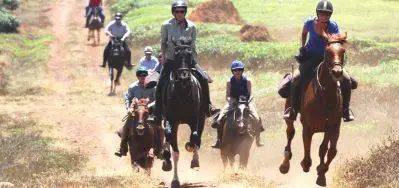
Equitours’ Exploratory Ride in Uganda
Posted on: Wednesday, April 18th, 2018
In February 2018 Mel Fox took a group of Equitours guests on the Nile Safari in Uganda. The outfitters have run this successful business for several years, and this was the first time Equitours joined one of their rides,... Browse article
Scenes from Moroccan Agadir Sable d’or Ride
Posted on: Saturday, December 16th, 2017
We are pleased to share the below video, created by Cynthia Naydani, a guest on the Agadir Sable d’or ride in Morocco in November, 2017. Please see her travel journal published on her blog for more captivating details of... Browse article