


Arrival in Delhi
Arrive Delhi and transfer to the hotel Vasant Continental or similar (rooms available from 12 noon). If time permits, sightseeing of New Delhi.


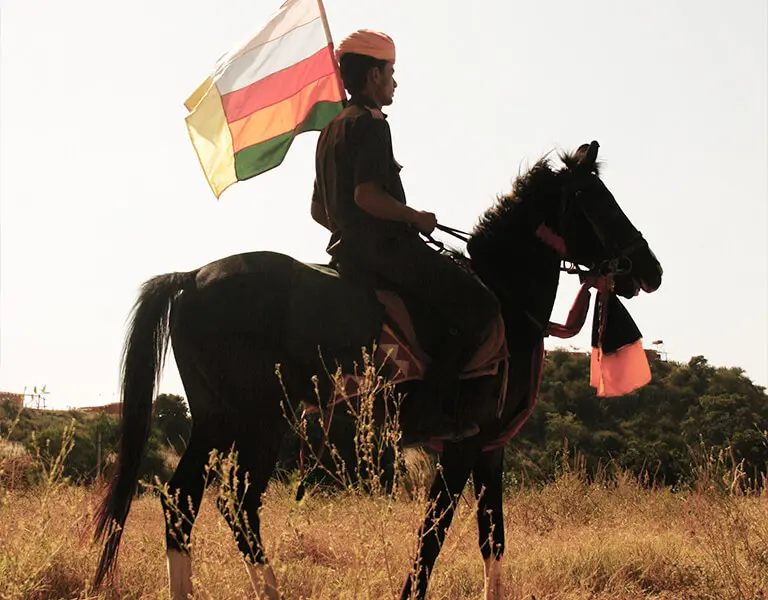
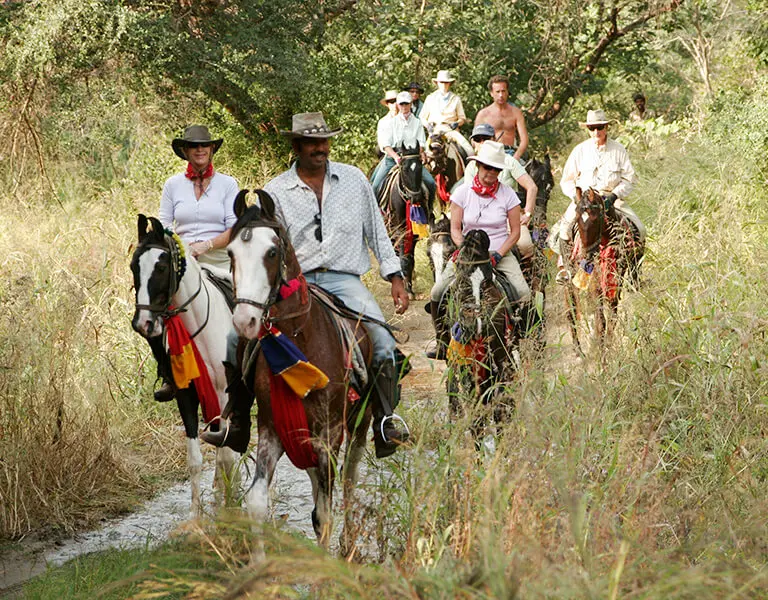
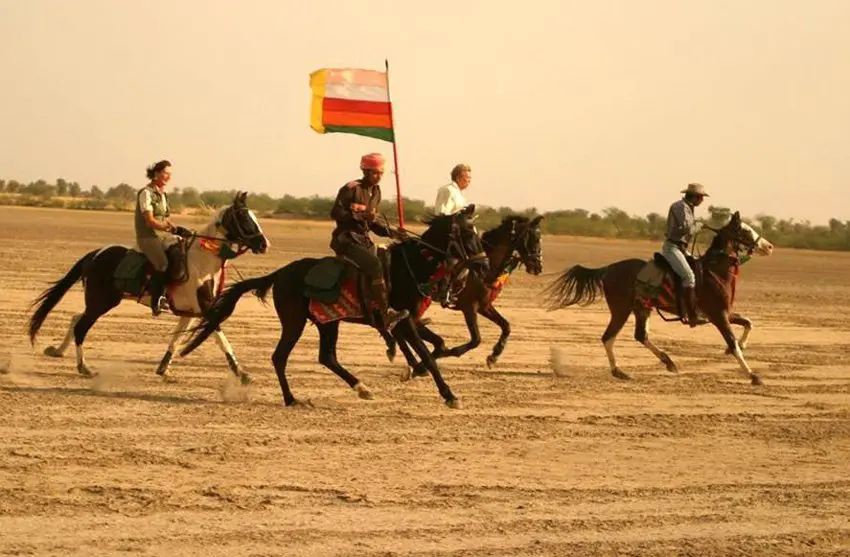
This horse riding tour in India takes place in Rajasthan where you will ride through the remote villages of the region while riding magnificent Marwari endurance horses. Additionally you will visit cities that boast the deep history of this fascinating country, and National Parks that showcase its wildlife.
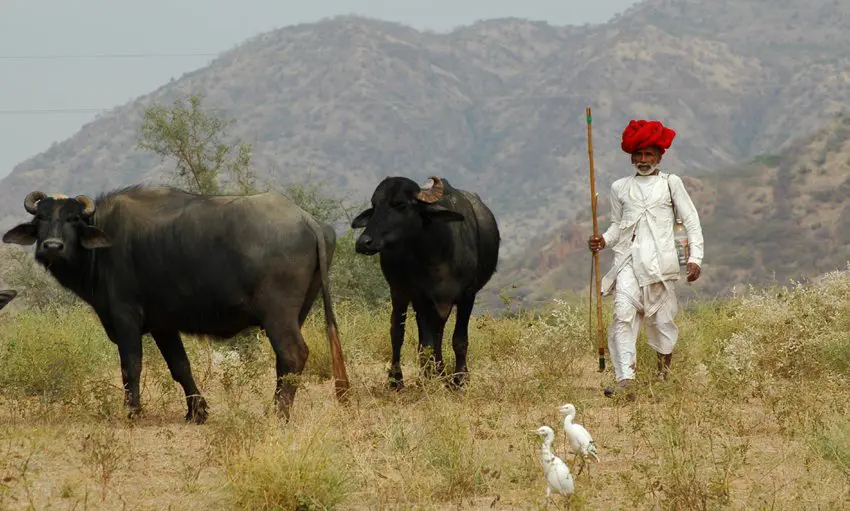
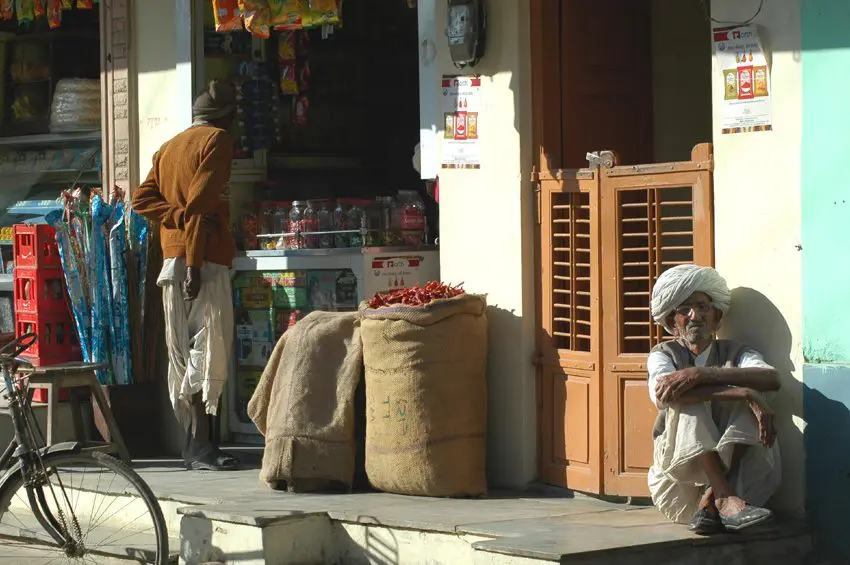
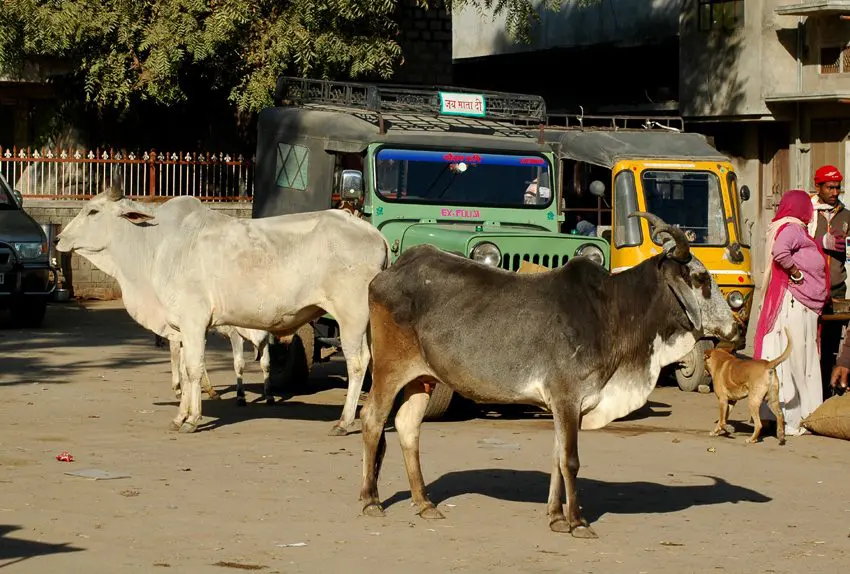
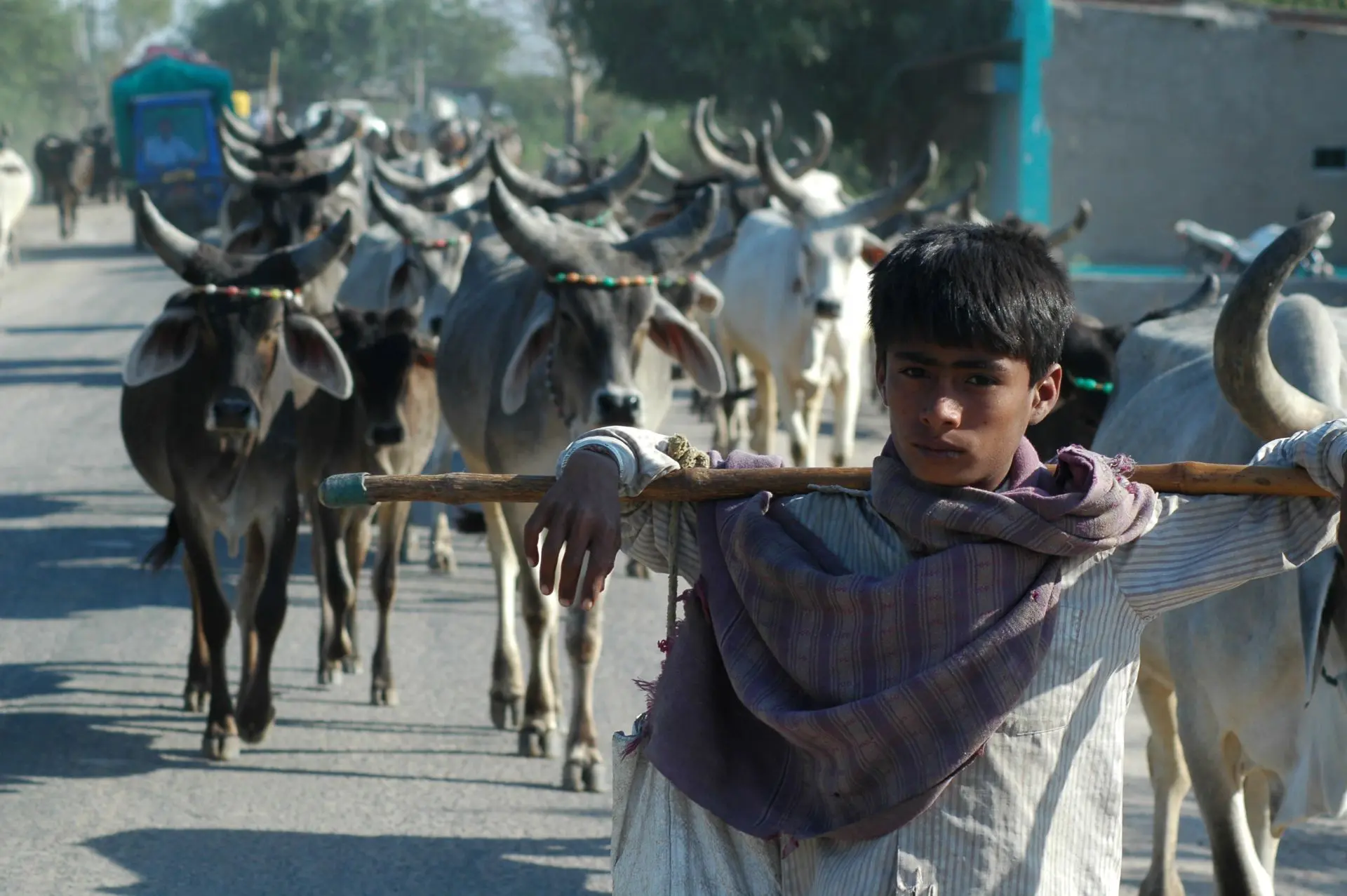
You will find that these beautifully cared for Marwari horses have terrific endurance and can move out well at all paces on the sandy tracks of Rajasthan. You will be stopping to water them from time to time at village watering troughs. Cows and water buffalo are often running freely in the streets and children shout a friendly greeting as you ride past. The local villagers rarely see Europeans in the back country and this is a fine opportunity to see what the heart of India is really like. People still live here much as they have for centuries.
The full tour dates include visits to cultural points of interest including the Taj Mahal, as well as wildlife tours through the Pench and Kanha National Parks. You can choose to do only the riding portion, or only the sightseeing portion, or both.
Arrive Delhi and transfer to the hotel Vasant Continental or similar (rooms available from 12 noon). If time permits, sightseeing of New Delhi.
In Delhi. Full day sightseeing
Delhi: The old city, built by Shah Jehan in the 17th century, stands today as an epitome of the whole history of Indo- Islamic architecture. New Delhi, designed and constructed by Sir Edwin Lutyens and Sir Herbert Baker is a mixture of east and west. The public buildings in red sandstone are in the Moghul style. It has a circular Parliament House and an imposing Central Secretariat in two blocks which stand at the approaches to Rashtrapati Bhawan, the residence of the President of India.
Delhi is today the political, economic and cultural capital of the World’s largest democracy and has also become one of the greatest tourist centers of the World.
Sightseeing of Old Delhi: Visit Jama Mosque and Raj Ghat, where the father of the nation, Mahatma Gandhi was cremated.
Sightseeing of New Delhi: Visit Humayun’s Tomb aptly called predecessor of the Taj Mahal (UNESCO World Heritage Site). Drive past Safdarjung’s Tomb, the Qutab Minar (UNESCO World Heritage Site), 72 meters high and one of the perfect towers of the Persian World. Nearby, amidst the ruins of the Quwut – ul – Islam Mosque stands the Iron pillar which has stood the vagaries of the weather and not rusted over 1500 years. An orientation drive through New Delhi includes the Embassy area, Government Buildings. Drive past Jantar- Mantar Astronomical observatory and through Connaught Place, New Delhi’s main shopping center.
Transfer to airport in time for flight leaving for Jodhpur at 10:30am. Arrive in at 12pm and transfer to Hotel Ranbanka Palace or similar.
After lunch, sightseeing of Jodhpur.
This former capital of Marwar state was found by Rao Jodha Singh. A flourishing trading center in 16th century, today the city has grown to become the second largest city of Rajasthan and is still one of the leading centers for wood, cattle, camels, salt and agriculture in Rajasthan. However, the past is never far behind and the city boasts of some very fine reminders of this glorious past — Palaces, Forts, Temples and other elegant monuments of architectural and historical value.
Mehrangarh Fort: From its towering height of 400 ft, atop a steep hill , Mehrangarh Fort is Jodhpur’s most remarkable monument, enclosing within its mighty ramparts a complex of ethereal palaces notable for their exquisite lattice work. Work began on this massive citadel, in 1479 by Rao Jodha, founder of Jodhpur. Certain halls in the palaces have been made into a museum with a display of the royal collection of arms, palanquins, howdahs, cradles, miniature paintings, and personal heirlooms. From here, the view of the city is breathtaking; in the words of James Tod: ” The sons of Jodha could command from the windows of the palace a range of vision almost comprehending the limits of their sway.”
A.M.: Sightseeing of Jodhpur.
After an early lunch, drive to Korta, about 3.5 hours.
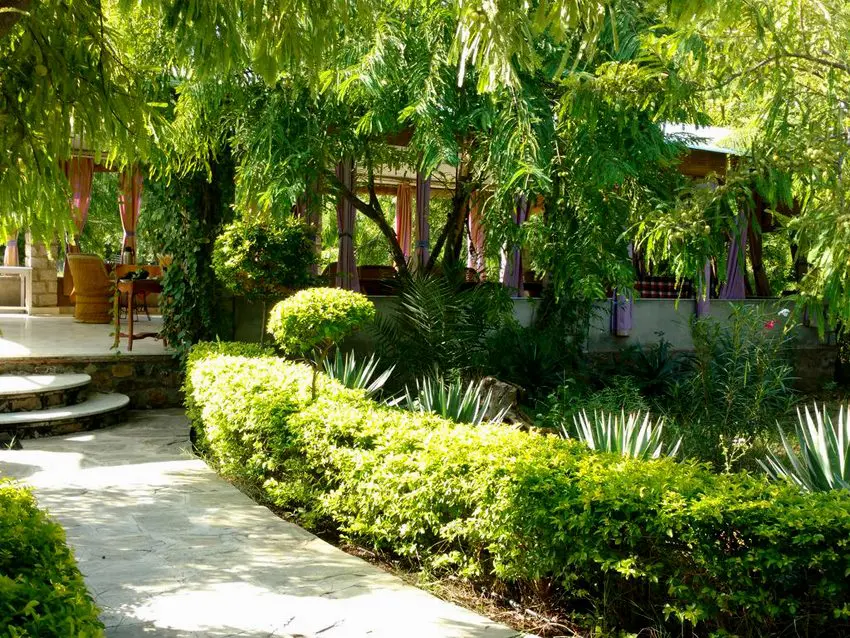
Arrive Korta and transfer to Korta Escape – comprising of simple but nice cottages built in a vast open area surrounded by trees and agricultural fields and overlooking several hills. This property set up in the rural environs, is run by a charming Rajput family which welcomes you to this isolated area.
Korta itself is a small village comprising of about 1600 people – half of which are tribals belonging to the Rabbaris and Raikas ( Shepherds and Camel breeders ). This small village has several ancient Hindu and Jain Temples which are visited by several people from far and near.
After settling down in your cottage, have a look at the Marwari Horses which you will be riding.
A.M.: Try out the horses and ride in and around Korta. There are several dirt tracks, dry river
beds and open fields. You will also get a chance to visit the homes of the locals and maybe offered some tea! On the way back for lunch, visit the village and the temples.
P.M.: Late afternoon, again go for a short ride to look for the Nilgai Antelope (the largest in India).
Ride from Korta to Kolhar (about 15 mi). The ride on this day takes you alongside some
farmlands, farmers dwellings and some villages. On this day there are some places where you would be riding alongside small village roads and at one place you will have to dismount and send the horses ahead before mounting back up. After lunch, you can see the Kolhar hills which look very interesting and are famous for the leopards. Arrive Kolhar and transfer to Season Jawai Resort or similar for overnight.
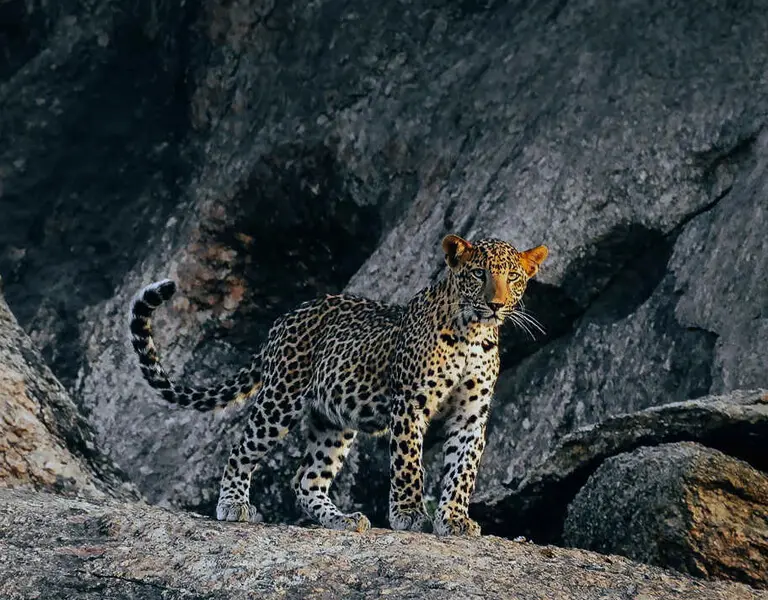
After breakfast, ride to Kothar (about 12 mi). The ride on this day is very interesting and takes you on a trail nestled between two hill ranges and comprising of forested areas. There are chances of seeing some wildlife in the form of Chinkara gazelles and the Nilgai antelope and, if lucky, a leopard also. This area is in the leopard country. Finish the ride on this day by lunch time.
Arrive at your hotel for overnight, Clarks Safari resort or similar. Have lunch and rest. Late afternoon you will have an option of going to look for the leopards by Jeep or by horses.
After breakfast, drive to Saiganpur (about 30 to 40 minutes drive) – where your horses will meet you. You will first ride along a canal and a couple of small villages and then towards a beautiful dam. You could ride on the embankment of the dam from where you get a lovely view of the area. If there is not much water in the dam, you could ride down close to the water and observe the birds. Later, continue to your camp in time for lunch. The permanent camp is set up in a very scenic location and is quite luxurious.
Late afternoon, go for a ride again in the surrounding areas. Overnight Leopard Safari Camp.
After a short morning ride in the picturesque Godwad area, drive to Ranakpur (about 01 ½ hrs drive). Arrive Ranakpur and visit the Ranakpur Jain Temples:
RANAKPUR is situated in the peaceful valley of the Aravali range of hills which are supposed to be older than the great Himalayas. Ranakpur is mainly associated with its huge but beautiful 14/15th century Jain Temples, constructed of white marble. The Ranakpur temple complex is the biggest in India having 29 halls and 1444 pillars each of which are intricately carved and different. The temples are no less than the Taj Mahal in beauty and splendor.
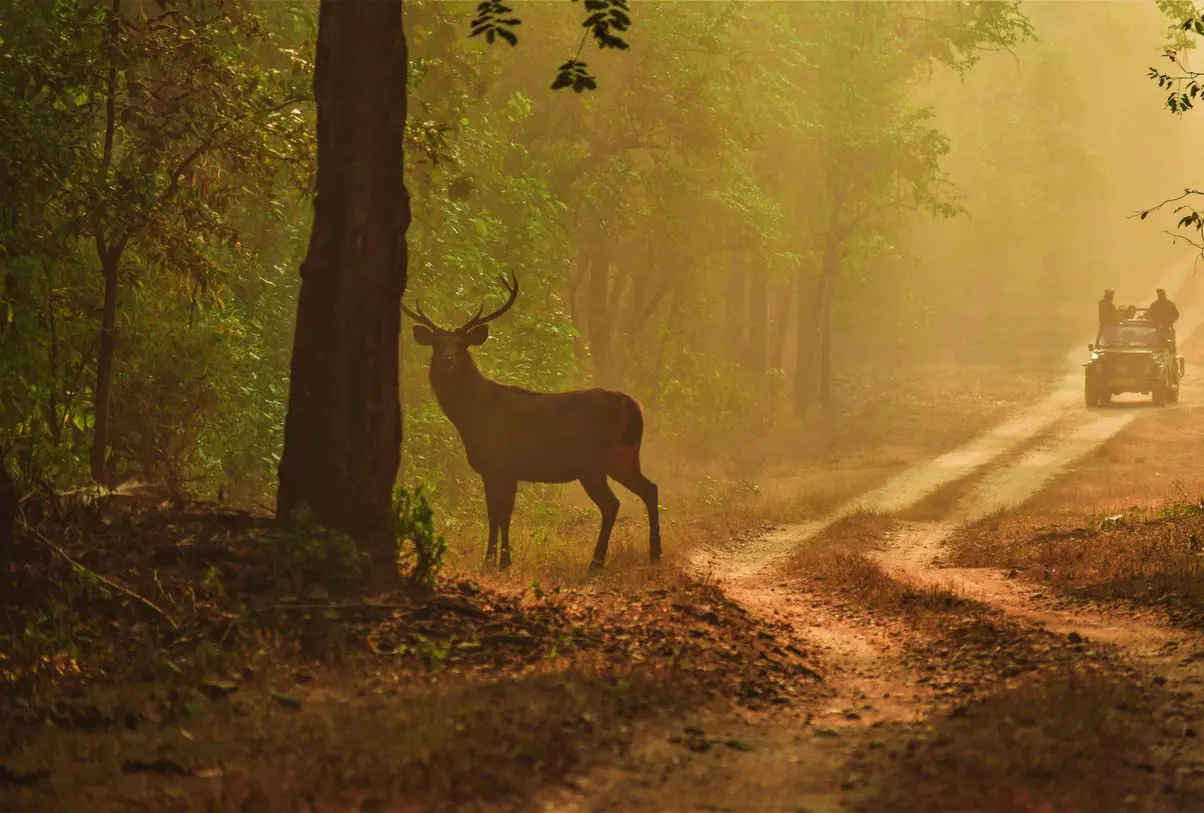
After lunch in Ranakpur, drive to Narlai (about 1 hr drive) and transfer to Rawla Narlai which is 17th century restored resort in the Narlai village, where you will spend the night. After arriving in Narlai, go for a short Leopard Safari by jeep (sighting of leopards in Narlai is about 95% successful).
In the evening, a Step Well dinner will be arranged. The dinner is served by the side of a beautiful Step Well which is lighted up inside.
After an early breakfast, drive to Jaipur (about 06 hrs drive). Arrive Jaipur and transfer to hotel Alsisar Haveli or similar for overnight.
JAIPUR: The rose-pink capital of Rajasthan, is surrounded on all sides by rugged hills, crowned with forts. Enclosed by embattled walls, the city was built early in the eighteenth century. The Maharaja’s palace stands in the centre of the city amidst lovely gardens. Houses with latticed windows line the streets, their rose-pink colour lending enchantment to the scene and almost magical at sunset. Jaipur is aptly called the ” Pink City of India”. It takes its name from the famous Maharana Sawai Jai Singh, who founded the city in 1728. A keen astronomer, he built an observatory which still exists and is equipped with quaint masonry instruments of remarkable size.
Jaipur is noted for its craftsmen skilled in the art of cutting precious stones and famed for its garnets and rubies. It is equally well known for brass inlay work, lacquer work and the printings on muslin.
Option to arrive this day in Jaipur to join sightseeing/wildlife tours only
Full day sightseeing of Amber Fort and city, overnight again at hotel Alsisar Haveli or similar.
A.M.: AMBER FORT (UNESCO World Heritage Site): 7 mi from Jaipur lies the city of Amber with an ancient imposing fort cum Palace overlooking the lake at the entrance to a rocky mountain grove. Built in the 17th century, the palace is a distinguished specimen of Rajput architecture. The Jai Mandir (hall of victory) is so delicately ornamented with fine inlay work that it glows. The fort of Jaigarh, crowning the summit of a peak is of amazing beauty and grandeur.
You will have the choice of going up to the fort on elephant back.
P.M.: CITY SIGHTSEEING: The City Palace which now houses a museum containing rare manuscripts, painting and an armory; the Jantar Mantar observatory ( UNESCO World Heritage Site)- built in the 17th century by Jai Singh- with a sundial 90ft.high; the Museum amidst the Ram Niwas Palace Gardens founded in 1876 with a large collection of antiques; the palace of Winds, a landmark of Jaipur made of pink sandstone and of unique design.
After an early breakfast, drive to Agra, about 3 ½ to 4 hrs drive visiting Fatehpur Sikri (UNESCO World Heritage Site) enroute:
The Mughal emperor, Akbar the Great, founded a magnificent city on Sikri ridge. In 1571 he ordered the construction of buildings for his own use and asked the noblemen to build houses for themselves. Within a year, most of the work was finished and with in the next few years, a well planned with administrative, residential and religious buildings came into existence.
The rise of the city from 1571 was very rapid so that after 1573 it was regarded as the capital of the Mughal Empire. However, after the city was abandoned by Akbar in 1585 to fight a campaign in the Punjab, the city seems to have declined just as rapidly so that by 1610 it was completely abandoned. The reason for the sudden decline of the city is usually given as the failure of the water supply, however the real reason may have been the emperor’s loss of interest in the place.
The Jami Mosque was perhaps among the first buildings to come up. Its epigraph gives AH 979 (AD 1571-72) as the date of its completion. The Buland-Darwaza was added some five years later.
Among other important buildings are the tomb of Shaikh Salim Chishti, Naubat-or Naqqar Khana (drum-house), Taksal (mint), Karkhanas (royal workshop), Khazana (treasury), Hakim’s quarters, Diwan-i-Am (hall of public audience), house of Maryam also called Sunahra Makan (Golden House), palace of Jodh Bai, Birbal’s house, etc.
After visiting Fatehpursikri, continue on to Agra. Arrive Agra and transfer to Hotel Jaypee Palace or similar for overnight. If time permits, sightseeing of Agra Fort.
AGRA FORT: The Agra Fort (UNESCO World Heritage site ) is one of the most important and robustly built stronghold of the Mughals, embellished with number of richly decorated buildings encompassing the imposing Mughal style of art and architecture. It was constructed by the third Mughal emperor Akbar on the remains of an ancient site known as Badalgarh between 1565 and 1573. He ordered to renovate the fort with red sandstone and some 4000 builders daily worked on it and it was completed in 8 years (1565-1573).
This powerful fortress of red sandstone, semi-circular on plan, is surrounded by a 1.5 mi long and 70 ft high fortification wall. Double ramparts have been provided here with broad massive circular bastions at regular intervals. There are four gates on its four sides, one of the gates was called “Khizri-gate” (the water gate) which opens to the river front, where ghats (quays) were provided. The fort has survived through the onslaught of time, nature and men. Spreading over an area of about 94 acres of land, it comprises many fairy-tale palaces, such as the Jehangir Palace and the Khas Mahal, built by Shah Jehan ( the builder of Taj Mahal.
Sightseeing of Taj Mahal:
125 mi from Delhi, lying on the river Yamuna, Agra is famous the World over as the “City of the Taj.”
THE TAJ MAHAL, one of the wonders of the world and a UNESCO World Heritage site built by the Mughal Emperor Shah Jehan in memory of his beloved consort Mumtaz Mahal, is a beautiful mausoleum of pure white marble and an architectural marvel. Built in 1631-48 in Agra, seat of the Mughal Empire, the monument sums up many of the formal themes that have played through Islamic architecture. Its refined elegance is a conspicuous contrast both to the Hindu architecture of pre-Islamic India, with its thick walls, corbeled arches, and heavy lintels, and to the Indo-Islamic styles, in which Hindu elements are combined with an eclectic assortment of motifs from Persian and Turkish sources.
For guests going back to Delhi: After lunch, drive to Delhi (about 03 ½ – 4 hrs) and transfer to International airport in time for international flight for home.
For guests doing the Pench and Kanha National Park Extension: Transfer to train station in time for overnight sleeper train leaving for Nagpur at 6:35pm
Arrive in Nagpur at 7:10am drive to Pench National Park (about 2 ½ hrs drive) and transfer to Pench Jungle Camp or similar for overnight.
P.M.: game drive in the Park:
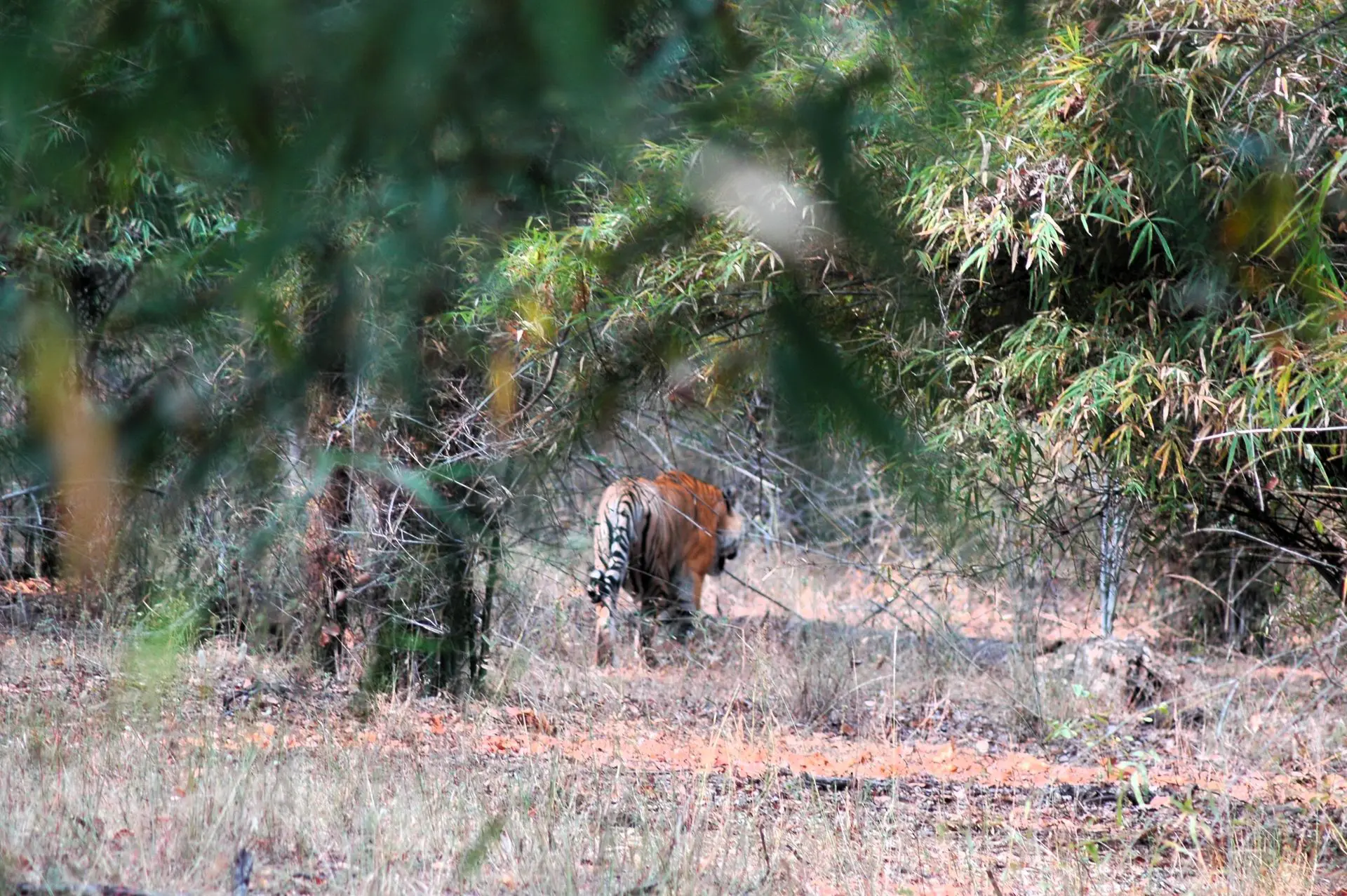
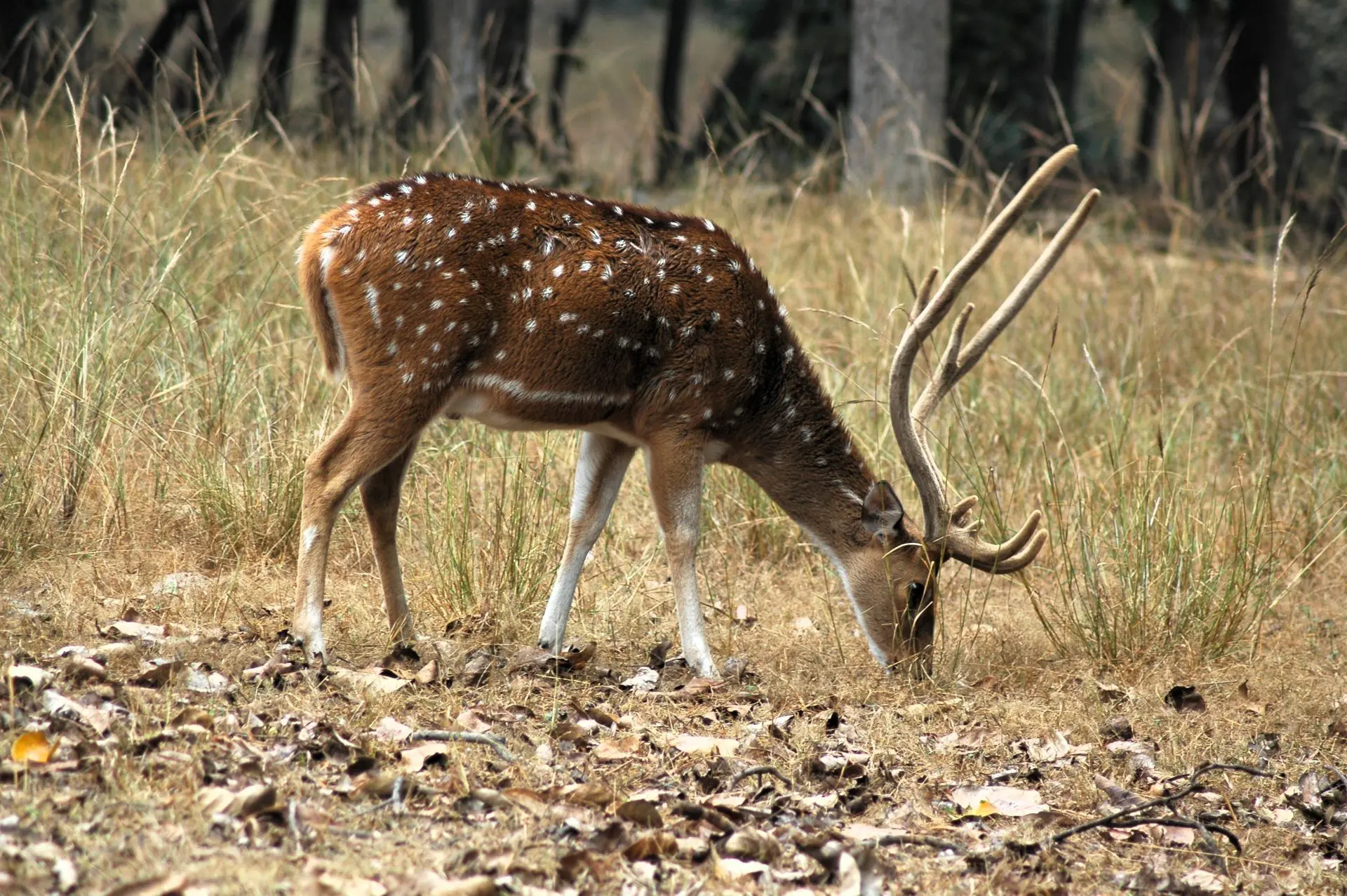
Pench National Park which is located at the Southern boundary of Madhya Pradesh nestles in the lower southern reaches of the Satpura hills. The park, named after the Pench river which flows through it, is India’s 19th Project Tiger Park and is considered one of the country’s finest new tiger reserves consisting of primarily teak forest. Spreading over a 758 Sq. kms, with a core area of about 292 sq. kms , the area is crisscrossed by a number of streams and ‘nullahs’ most of which are seasonal. Though the Pench River dries up in April, a number of water pools locally known as ‘dohs’ serve to quench the thirst of the wild animals. With about 87 Tigers as per last census it abounds in good Tiger sightings now . On the Maharashtra State side of the park there are approximately 50 tigers. The population of game is also very high – it is considered to be the park with the highest density of prey (Spotted Deer, Wild Boar, Sambar, Nilgai and the Gaur – Indian Bison).
Mammal species in Pench National Park include the Royal Bengal tiger, leopard, golden jackal, dhole (Wild dog), sloth bear, chital, sambar, northern red muntjac, four-horned antelope, gaur(Indian Bison), nilgai antelope, chinkara gazelle, wild boar, Common langur, Rhesus monkey, Indian hare and Indian porcupine. The bird life includes about 285 species of resident and migratory birds.
This region has been extensively written about by naturalists in the late 19th century – e.g. Robert Sterndale’s Camp Life in Seoni, Captain Forsyth’s work titled Highlands of Central India and of course Kipling’s Jungle Book. Though Kipling never visited the area he picked up information about the area from the Gazetteer and other writings – some areas which have found mention in the Jungle book are in and around Pench Tiger Reserve (Seoni Wolf Pack – Seoni is a town 40 km from the Park, the Wainganga river also is close by as is the gorge which was called council rock).
A.M. & P.M.: Game drives in the park.
A.M.: Game drive in the park.
After a leisurely breakfast, drive to Kanha National Park (about 04 to 04 ½ hrs drive) and transfer to The Courtyard House resort or similar for overnight. In the evening take a stroll in the surrounding areas of the lodge.
Kanha National Park which is Asia’s best National park and is situated in the eastern sector of the Central Indian Highlands, ranges over an area of 940 Sq.Km. in the Maikal range of hills. The entire Reserve consists of the National Park, which forms the Core Zone and a Buffer Zone around the core bringing the total area up to 1945 sq. km. The Park is managed under the Project Tiger Scheme for tiger conservation whilst the hard ground Barasingha (Cervus duvaucelli branderi) endemic to Kanha, has been saved from probable extinction by carefully controlled management.
Kanha is Kipling’s jungle where he wrote his famous Jungle Books. Besides the TIGERS for which Kanha is justly famous, the abundance of wildlife is remarkable: the magnificent GAUR (Indian Bison), the HARD GROUND BARASINGHA DEER, herds of CHITAL (axis axis) and LEOPARD, BARKING DEER, DHOLE (wild dog), and SLOTH BEAR. In all, some 22 species of large mammals are regularly found within the Park. The BIRDLIFE of the Park is equally impressive with more than 200 species of birds.
A.M. & P.M.: Game drives in the park
A.M. & P.M.: Game drives in the park
Transfer to Jabalpur airport in time for flight leaving for Delhi at 2pm. Arrive Delhi at 3:35pm and transfer to hotel for wash and change and dinner and then transfer to international airport in time for evening flight for home.
Tell us more about your riding experience and trip preferences below so we may find the perfect options to meet your needs. We will research availability and get back to you with a booking confirmation detailing suggested departure, cost and extended ride itinerary.
Do you have questions about this tour itinerary? Do you want to make sure that this it is the right tour for you? Or are you ready to book? Please call or email our experienced and friendly ride consultants for more detailed information. With first-hand knowledge of the exciting tours we offer, the tour consultants at Equitours look forward to answering any questions you might have
Speak with our reservation team directly.
1.800.545.0019
Our reservation team would be happy to customize this tour to meet your groups needs. Customize your tour.

The Naguar Fair Ride was a huge pleasure and a rare opportunity, which I hope I'll have an opportunity to promote, and I certainly plan to do again. Thank you.
Londa Weisman
Ride the border between the French and Italian Alps, spending a few nights in each country. Explore the beautiful natural biodiversity and learn about the importance... Browse itinerary
Spend three nights at your hosts’ home in the valley of the Chubut River in the Argentine Patagonia. This lush oasis is an idyllic base for... Browse itinerary
Explore the lush hills of the Carpathian mountains and canter through the meadows. Learn about the traditional Romanian life through family home stays. Ride through a... Browse itinerary
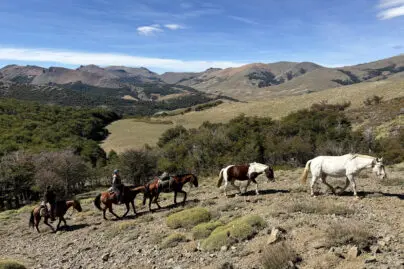
Start and end in Bariloche, Argentina, riding between the Pre-cordillera and the Cordillera of the Argentinean Patagonia. Spend nights camping and in a mountain lodge, ride... Browse itinerary